

History Co-Author Review – Introduction
In this History Co-Author Review, I want to take a practical and balanced look at History Co-Author, what the system is designed to do, how its research and writing workflow works, and whether it can genuinely help aspiring authors, Amazon KDP publishers, nonfiction writers, researchers, freelancers, and AI-assisted content creators develop narrative history books more efficiently. To begin with, History Co-Author is an AI-assisted research, planning, and long-form writing framework created specifically for people who want to use Claude or ChatGPT to produce historical nonfiction without relying on a simple one-prompt book generator.
More specifically, History Co-Author is designed around the idea of combining historical research, source organization, book planning, narrative structure, long-form writing, continuity management, chapter development, and supporting documentation inside one repeatable workflow. Instead of simply asking an AI model to write thousands of words from its existing knowledge, the system guides users through structured planning and research before the manuscript is produced. Consequently, this History Co-Author Review focuses not only on how quickly the system may help users create a book, but also on how the framework attempts to make the resulting manuscript more coherent, organized, researched, and suitable for nonfiction publishing.
Furthermore, one of the most important distinctions covered in this History Co-Author Review is that History Co-Author is not a standalone AI model. Instead, it works with established AI platforms such as ChatGPT and Claude and provides them with specialized frameworks, style instructions, research processes, planning documents, and workflow guidance. Therefore, the real value of History Co-Author lies in giving general-purpose AI a more disciplined process for handling the complex task of creating a complete narrative history manuscript.
However, this History Co-Author Review does not present History Co-Author as a guaranteed bestselling-book or automatic-income system. AI-generated historical writing still requires fact checking, source verification, editorial judgment, proofreading, strong topic selection, professional presentation, publishing knowledge, and marketing. Therefore, History Co-Author should primarily be viewed as a research and writing framework, productivity system, manuscript-development assistant, and publishing workflow accelerator rather than a push-button shortcut to guaranteed Amazon royalties.

History Co-Author Review – Overview
| Vendor: | Søren Jordansen – The Copy Viking |
|---|---|
| Product: | History Co-Author |
| Type: | AI-assisted narrative history research, planning and long-form writing framework |
| Front-End Price: | $17.00 |
| Core Function: | Help users research, plan, write, organize and prepare narrative history books with Claude or ChatGPT |
| Platform: | Works with Claude or ChatGPT and includes Narrative History Studio |
| Best For: | Aspiring history authors, Amazon KDP publishers, nonfiction writers, researchers, AI-assisted authors, freelancers and ghostwriters |
History Co-Author Review – Who Created It?
In this History Co-Author Review, History Co-Author was created by Søren Jordansen, better known online as The Copy Viking. Søren has extensive experience in marketing, copywriting, digital publishing, AI-assisted content creation, and online product development. Over time, he has increasingly focused on creating specialized frameworks that help users work with modern AI tools through structured systems rather than depending on isolated prompts or generic chatbot conversations.
Furthermore, Søren has developed several Co-Author frameworks designed to guide artificial intelligence through longer and more complex writing projects. Therefore, History Co-Author fits naturally within his broader approach of turning Claude or ChatGPT into a more disciplined research and writing partner through persistent instructions, detailed workflows, planning documents, and specialized genre rules.
Additionally, the development story behind History Co-Author is relevant because Søren explains that history repeatedly appeared as one of the nonfiction categories requested by users of his previous systems. Consequently, he developed a dedicated framework focused on narrative history rather than attempting to force a generic nonfiction prompt system to handle the particular challenges of historical research, source management, quotations, chronology, characters, locations, pacing, and narrative structure.
The product page also presents examples of history books created using the system, including a three-book historical series published under the pen name Jonathan Hayes. Nevertheless, publishing speed, rankings, sales, royalties, reader reviews, and Kindle Unlimited page reads shown in vendor case studies should be viewed as individual results rather than typical or guaranteed outcomes. Therefore, this History Co-Author Review concentrates mainly on the usefulness of the framework itself, the quality of its workflow, and the practical advantages it may provide to buyers who want to create historical nonfiction more efficiently.
History Co-Author Review – What Is It?
History Co-Author is a specialized AI-assisted research, planning, and long-form writing framework for creating narrative history books with Claude or ChatGPT. Therefore, in this History Co-Author Review, it is more accurate to describe the product as an AI book-production framework and workflow system rather than as a standalone book-writing application.
More specifically, History Co-Author provides the AI with a structured set of instructions governing how historical material should be researched, organized, interpreted, planned, and transformed into readable narrative nonfiction. The core package includes the Narrative History Framework, Narrative History Style Pack, Setup Prompt, Narrative History Studio, training materials, and tutorials. Consequently, users receive a complete workflow rather than a single prompt that attempts to generate an entire book without preparation.
Furthermore, the system emphasizes the creation of structured planning documents such as a Research Bible, Book Bible, chapter outline, people and entity references, location information, and other supporting materials. Therefore, the AI has stable reference documents it can use while writing later chapters, which can potentially reduce continuity issues, unnecessary repetition, forgotten details, inconsistent descriptions, and sudden changes in narrative direction.
Moreover, History Co-Author attempts to solve one of the biggest weaknesses of ordinary AI book generation: the difference between producing good individual paragraphs and producing a coherent 40,000-, 60,000-, or 80,000-word manuscript. Consequently, its main value comes from research discipline, planning, long-context organization, narrative consistency, and repeatable chapter production rather than simply making the AI generate words faster.
Ultimately, the simplest way to understand History Co-Author is that it acts like an operating system for an AI-assisted history author. You choose the subject and provide direction, while the framework helps Claude or ChatGPT research the subject, develop the book structure, organize information, create chapters, maintain continuity, prepare supporting documentation, and move the project toward publication.
History Co-Author Review – Features And Benefits
In this section of History Co-Author Review, here are the main features and benefits of History Co-Author:
- Narrative History Framework
First, the main History Co-Author framework provides detailed instructions specifically designed for narrative history. Therefore, the AI is given rules covering areas such as pacing, narrative scale, historical consequences, scene construction, quotations, narrator behavior, evidence handling, transitions, and storytelling structure. Consequently, Claude or ChatGPT can work from a consistent set of expectations instead of improvising its approach from one chapter to another. - Narrative History Style Pack
Furthermore, History Co-Author includes a dedicated Style Pack that establishes writing rules intended to reduce common AI-writing habits. Consequently, users may obtain prose that feels more deliberate, varied, and readable rather than relying on repetitive sentence structures, predictable transitions, generic conclusions, clichés, and other patterns commonly associated with unedited AI text. - 18-Step Guided Setup Process
Additionally, the History Co-Author Setup Prompt guides users through an 18-step planning sequence. Therefore, important decisions about topic scope, audience, narrative angle, structure, major events, key historical figures, research requirements, chapter progression, and writing approach are established before the AI starts producing large sections of the manuscript. - AI-Assisted Historical Research
Moreover, History Co-Author emphasizes research rather than asking the AI to rely only on its existing training knowledge. Consequently, users can build a manuscript around collected sources and documented information rather than treating the model’s internal memory as automatically reliable. Nevertheless, important claims should still be personally checked before publication. - Research Bible
Another useful feature highlighted in this History Co-Author Review is the Research Bible. This document organizes research associated with the book. Therefore, instead of leaving historical material scattered across separate conversations, browser tabs, notes, and AI responses, the project maintains a more centralized factual reference that can support writing, revision, and verification. - Book Bible And Planning Documents
Furthermore, History Co-Author generates structured planning files connected with the book’s architecture, historical figures, locations, entities, chapter structure, and narrative development. Consequently, these documents can help maintain consistency across a long manuscript while reducing the risk that the AI forgets earlier decisions or repeats the same information unnecessarily. - Chapter-By-Chapter Writing Workflow
Additionally, the system creates the manuscript progressively instead of attempting to generate an entire book in one uncontrolled response. Therefore, users can review chapters, request changes, correct facts, modify emphasis, improve the style, and influence the manuscript as it develops. This approach provides far more control than accepting a large first draft without meaningful checkpoints. - Narrative History Studio
Moreover, the front-end package includes Narrative History Studio, which is designed to simplify repetitive parts of the workflow. Consequently, users who prefer a more automated process can use Studio tools for activities such as creating project structures, initiating setup, beginning chapters, organizing files, and completing the final closeout process. - Book Closeout And Supporting Materials
Furthermore, once the manuscript is complete, History Co-Author can help prepare additional nonfiction components such as chapter notes, source-related documentation, selected bibliography material, a cast of characters, and other supporting sections. Consequently, the finished project can be more organized than a basic AI-generated manuscript containing only chapters. - Multiple Narrative Approaches
Additionally, the framework allows users to work with different narrative approaches rather than forcing every historical project into exactly the same voice. Therefore, authors have greater flexibility when matching the style of a manuscript to its subject, era, audience, emotional tone, and storytelling requirements. - 29-Module Training Course
Furthermore, History Co-Author includes an extensive training program covering the wider publishing process. Consequently, beginners can learn more than simply how to generate chapters because the training also addresses areas connected with research, planning, writing, publishing, covers, promotion, series development, and practical implementation. - Interactive Tutorials And Walkthroughs
Moreover, tutorials and visual guidance can reduce the learning curve for people who are unfamiliar with advanced AI writing workflows. Therefore, buyers do not necessarily need to understand prompt engineering, complex project architecture, or long-context writing systems before getting started. - Works With Claude Or ChatGPT
Finally, History Co-Author supports two of the most widely used AI platforms. Consequently, users are not completely tied to one model provider and can choose the environment they prefer according to their workflow, budget, and existing subscription.

History Co-Author Review – How Does It Work?
In this History Co-Author Review, the workflow behind History Co-Author can be organized into the following practical steps:
- Choose Your Historical Subject
First, decide what historical story, event, period, person, conflict, civilization, journey, mystery, or overlooked episode you want to explore. Therefore, your project begins with a clearly defined subject rather than asking the AI to invent a random book concept without direction. - Load The History Co-Author Framework
Next, add the History Co-Author framework and relevant supporting files to your preferred Claude or ChatGPT environment. Alternatively, users who prefer more automation can work through the included Narrative History Studio workflow. - Complete The Guided Setup
Afterward, work through the 18-step setup process. Consequently, the AI helps define the book’s scope, narrative direction, audience, structure, historical focus, major figures, key events, research needs, and chapter progression before substantial writing begins. - Conduct Historical Research
Next, the framework guides the AI through research stages connected with the book. Therefore, History Co-Author attempts to build a factual foundation from research material rather than allowing the model to rely entirely on what it already remembers from training. - Create The Research Bible
Furthermore, the system organizes useful research into a structured reference. Consequently, the AI can return to established material while writing instead of treating every chapter as a completely separate conversation. - Generate The Book Bible And Outline
After the research and setup stages, History Co-Author creates planning documents that define the book’s architecture. Therefore, chapter progression, major historical figures, places, entities, narrative goals, and important events remain more consistent throughout the project. - Begin Writing Chapter By Chapter
Next, instruct History Co-Author to begin producing the manuscript. Consequently, each chapter can reference the framework, research, Style Pack, Book Bible, and continuity documents instead of being generated independently. - Review And Direct The Manuscript
After each section is generated, review it carefully. Therefore, you can request corrections, expand scenes, reduce repetition, change the emphasis, question unsupported information, improve pacing, adjust the voice, and provide your own creative direction before continuing. - Complete The Book Closeout
Once the main manuscript is complete, use the closeout workflow to prepare additional nonfiction material. Consequently, History Co-Author can help organize chapter notes, bibliography-related material, source information, character references, and other supporting sections. - Edit And Verify The Manuscript
Furthermore, check the complete manuscript carefully for names, dates, quotations, events, interpretations, factual claims, chronology, spelling, grammar, tone, readability, and source accuracy. Consequently, human editorial responsibility remains an essential part of using History Co-Author. - Prepare The Book For Publication
Finally, format the book, create the cover and description, choose categories and keywords, establish pricing, and publish through your chosen platform. Therefore, History Co-Author helps accelerate manuscript production while the author still controls the final publishing and marketing decisions.
History Co-Author Review – My Experience Using It?
The section below presents a practical review assessment based on the History Co-Author positioning, available product information, demonstrated workflow, included training, framework structure and supplied funnel pricing. I am not claiming long-term publishing income or Amazon royalty results that I did not personally generate.
In this History Co-Author Review, my experience evaluating History Co-Author begins with what I consider the biggest problem involved in using AI for serious nonfiction: structure. It is easy to open Claude or ChatGPT, type a broad instruction, and receive several pages of polished-looking text. However, writing an entire history book is fundamentally different from generating a blog post or short article. Therefore, the most interesting part of History Co-Author is not that it can make an AI produce words quickly, but that it attempts to control what happens before, during, and after those words are generated.
Normally, if I asked a general-purpose AI model to write a 60,000-word book about a historical event without extensive preparation, I would expect several predictable problems. The manuscript might repeat the same facts across different chapters, change its interpretation midway through the book, describe historical figures inconsistently, invent unnecessary scene details, lose track of chronology, create vague transitions, or present information confidently without explaining where it came from. Consequently, a long-form AI manuscript can appear impressive on the surface while becoming increasingly unstable as the word count grows.
Initially, this is where History Co-Author feels meaningfully different. The system does not rush directly into chapter generation. Instead, it builds the project through research, setup, planning, narrative decisions, and supporting documents. Therefore, the AI is given a stronger foundation before it begins writing substantial sections of the manuscript.
Furthermore, I particularly like the concept behind the 18-step setup process. When people first experiment with AI writing, they often believe that a better prompt is the solution to every problem. However, many problems in long-form writing are actually caused by unclear decisions. What is the book really about? What period does it cover? Who is the intended reader? Which people deserve the most attention? What is the narrative angle? Which events belong in the book and which should be excluded? Therefore, forcing these questions to be addressed early can potentially improve everything that follows.
Moreover, the Research Bible concept makes practical sense for historical nonfiction. If I were writing manually, I would probably maintain notes, source links, quotations, chronological information, biographical details, location references, statistics, and competing interpretations in several places. Consequently, centralizing important research can reduce confusion while also giving the AI a clearer reference during later stages of the project.
At the same time, I would never assume that research collected by an AI is automatically correct. This is an important point in my History Co-Author Review because the system may improve research organization, but it cannot remove the author’s responsibility to verify important information. Therefore, I would personally check significant dates, quotations, names, locations, military numbers, political claims, disputed events, interpretations, and unusual historical details against reliable sources before publishing.
Another part of History Co-Author that I find useful is the separation between research instructions and writing instructions. Historical nonfiction needs both. A manuscript can be heavily researched and still feel dry, while an exciting story can become unreliable if the writer invents details merely to create drama. Consequently, the framework’s attempt to combine documented historical information with narrative pacing is more appropriate for this category than a general book-writing prompt.
For example, a weak AI-generated history chapter may simply summarize that an army traveled from one location to another, fought a battle, suffered losses, and withdrew. Although technically informative, that approach can read like a school textbook. By contrast, narrative history attempts to help readers experience the sequence of events through specific people, locations, decisions, consequences, uncertainty, documented details, and changing circumstances. Therefore, the Style Pack and narrative framework may help transform raw information into a more readable book without automatically turning the project into historical fiction.
Furthermore, I consider the Book Bible another important element. Long AI projects often suffer from continuity problems because the model may gradually lose awareness of decisions made thousands of words earlier. Consequently, having organized reference documents can provide the model with a more stable context as chapters accumulate.
For instance, imagine writing a book that follows several historical figures across different locations and years. Without structured references, an AI could accidentally introduce a person twice, describe a relationship inconsistently, mention information before the reader is supposed to know it, repeat background information, or lose track of when an event occurred. Therefore, using persistent project documents can potentially reduce these problems.
Additionally, the chapter-by-chapter workflow makes far more sense to me than attempting to generate a complete manuscript without intervention. After each chapter, the author has an opportunity to evaluate the direction of the book. Consequently, weak passages can be rewritten before their problems spread into later sections.
This also makes History Co-Author feel more like a genuine co-authoring workflow than an automatic writing machine. I can imagine reviewing a chapter and saying that one historical figure deserves more attention, a scene needs stronger context, a disputed claim should be qualified, a quotation needs verification, or a section moves too quickly. Therefore, the human author can still shape the final work instead of simply approving everything the AI produces.
Moreover, the Narrative History Style Pack addresses another problem I regularly notice in AI writing: recognizable patterns. Generic AI prose often relies on similar sentence rhythms, predictable transitions, repeated contrasts, artificial-sounding conclusions, exaggerated summaries, and stock phrases. Consequently, a style framework that deliberately restricts common habits can potentially improve the manuscript before human editing even begins.
Nevertheless, I would still treat every AI-generated chapter as a strong first draft rather than an untouchable finished manuscript. Therefore, after completing a book with History Co-Author, I would expect to perform another editing pass focused specifically on rhythm, repetition, clarity, originality, factual confidence, and how naturally the chapters connect.
Another aspect that improves the overall package is Narrative History Studio. Users who understand project files, context documents, prompts, and AI workflows may be comfortable performing every step manually. However, beginners can easily become overwhelmed when a writing system requires multiple files and repeated procedures. Consequently, automating some of the setup, chapter creation, file organization, and final closeout can make the system considerably easier to follow.
Furthermore, I appreciate that History Co-Author does not completely stop when the last chapter is generated. Serious nonfiction books often include material beyond the main narrative, such as notes, sources, bibliography information, cast-of-characters references, acknowledgments, timelines, or supporting documentation. Therefore, the closeout process makes the workflow feel more complete than a basic AI book generator.
The included 29-module training also strengthens the product. Many AI writing tools assume the user already understands publishing. However, a manuscript is only one part of the process. A new author must still think about book positioning, cover presentation, series opportunities, formatting, Amazon publishing, descriptions, keywords, pricing, promotion, and audience development. Consequently, training that addresses the wider publishing process can be especially useful for beginners.
From a practical perspective, I also like the fact that History Co-Author works with both Claude and ChatGPT. AI platforms change quickly, and different users prefer different interfaces and models. Therefore, a framework that is not completely locked to a single provider may have greater long-term usefulness.
However, buyers should remember that the $17 front-end price does not include the AI subscription itself. Consequently, users who do not already subscribe to an appropriate Claude or ChatGPT plan may need to account for an additional recurring cost. This does not necessarily make the product expensive, but it should be considered when calculating the true cost of using the system regularly.
Another point worth discussing in this History Co-Author Review is speed. One of the major attractions of AI-assisted publishing is that it can dramatically reduce the amount of time required to create a first draft. The vendor presents examples of books produced quickly using the framework. Nevertheless, I would not treat speed as the only measure of success. Therefore, if an extra day of fact checking, revision, or editing produces a substantially better book, I would consider that time well spent.
Likewise, publishing multiple books quickly does not automatically create a profitable publishing business. A strong manuscript still needs a subject that readers care about, a professional cover, persuasive positioning, suitable categories, competitive pricing, useful keywords, positive reader experiences, and ongoing promotion. Consequently, History Co-Author may reduce production friction, but it cannot remove the commercial realities of the book market.
Nevertheless, the ability to reduce production time can become strategically useful when creating a series. If one historical topic naturally leads into another, a structured workflow can make it easier to maintain a consistent publishing process across several books. Therefore, authors who want to build a recognizable history catalog may potentially receive more value from History Co-Author than someone who intends to publish only one experimental title.
For example, an author might create a series around overlooked military campaigns, forgotten expeditions, regional conflicts, political turning points, ancient civilizations, or biographies of interconnected historical figures. Consequently, one completed book can inform topic selection and audience positioning for the next project.
Furthermore, the optional History Genre Vault expands this idea by providing additional frameworks for other historical and adjacent nonfiction formats. Therefore, users who discover that they enjoy the core Narrative History workflow can potentially expand into areas such as Historical Biography, Battles and Campaigns, Ancient World, Christian History, Prehistory and Archaeology, or Young Readers History depending on the exact package selected.
The History Editor upgrade also addresses an important stage. Although I do not think every buyer needs every upgrade, editing deserves serious attention because even a well-structured AI manuscript can contain repetition, uneven pacing, unsupported certainty, awkward transitions, or stylistic inconsistencies. Consequently, buyers who lack their own editorial system may find a dedicated history-editing workflow useful.
Likewise, the History Cover Creator recognizes that readers encounter a book’s packaging before they experience the manuscript. A well-researched book can still struggle if the cover looks amateurish or fails to communicate the genre. Therefore, a cover-focused upgrade may appeal to self-publishers who want a more structured visual-production workflow.
Meanwhile, Promo Stacker addresses promotion. This is another logical addition because creating a book and getting readers to discover that book are completely different problems. Consequently, authors with little experience in book marketing may find promotion training more valuable than authors who already maintain successful newsletter, advertising, or audience-building systems.
The final recurring offer, KDP Club, appears more suitable for users who want ongoing interaction, community, regular group sessions, and continuing publishing support. Therefore, buyers who prefer independent implementation can reasonably skip the membership, while people who benefit from accountability and community discussions may see more value in it.
Importantly, I would not purchase the entire funnel automatically. The $17 front end contains the core framework and is sufficient to understand whether the system fits your approach. Consequently, I would begin with the main product and evaluate upgrades according to actual publishing needs rather than purchasing additional products simply because they appear during checkout.
For instance, a user who already has a trusted editor probably does not urgently need History Editor. Someone who already creates professional covers may not need History Cover Creator. Likewise, an experienced book marketer may already understand many promotional strategies. Therefore, the value of the funnel depends heavily on the buyer’s existing skills and software.
On the other hand, a beginner who wants a more complete publishing ecosystem may appreciate the ability to add specialized tools gradually. Consequently, the funnel can function as an expandable system rather than requiring every customer to purchase one expensive all-inclusive package at the beginning.
Another potential audience for History Co-Author is freelancers and ghostwriters. A structured workflow could potentially reduce the amount of time required to organize research and create initial drafts for client projects. However, commercial users should review the applicable licensing conditions carefully, particularly if they are considering the optional History Ghostwriter License. Therefore, the order bump may be more relevant to service providers than to ordinary authors publishing under their own names or pen names.
Overall, my experience evaluating History Co-Author is positive because the product addresses real weaknesses in ordinary AI-assisted long-form writing. It does not merely tell the AI to write better. Instead, it introduces research, planning, structured reference documents, style control, chapter management, continuity, closeout procedures, and publishing guidance. Consequently, the system feels considerably more deliberate than a collection of generic prompts.
Ultimately, this History Co-Author Review finds that the product is most useful when treated as a research assistant, manuscript-development framework, writing workflow, organization system, and publishing accelerator. Users who combine the framework with careful source verification, human editing, professional presentation, thoughtful topic selection, and realistic marketing are likely to receive considerably more practical value than people simply expecting AI to produce instant bestselling books.

Why You Should Buy It?
In this History Co-Author Review, the main reason to consider History Co-Author is that it can potentially reduce the amount of research, organization, planning, and repetitive setup involved in turning a historical idea into a complete manuscript. Many aspiring authors have interesting subjects they would like to explore but become overwhelmed by the amount of information that must be collected and structured before serious writing begins. Therefore, having a defined workflow can make the project feel considerably more manageable.
Additionally, History Co-Author may be particularly useful for people who already use ChatGPT or Claude but struggle to maintain consistency across long documents. Consequently, the Book Bible, Research Bible, Style Pack, guided setup, chapter workflow, and supporting documents can provide more structure than an ordinary chat conversation.
Furthermore, the relatively low $17 front-end price makes History Co-Author accessible to users who want to explore the core workflow without immediately committing to the additional Genre Vault, Editor, Cover Creator, promotion training, or recurring KDP Club membership. Therefore, buyers can evaluate the main framework before deciding whether additional tools solve genuine problems in their publishing process.
Moreover, authors interested in building a series of historical books may receive additional value because the workflow is designed to be repeatable. Consequently, once you understand the process, you can potentially apply it to additional subjects instead of developing a completely new research and writing system for every book.
However, the strongest reason to purchase History Co-Author should be better organization, faster research, improved long-form consistency, structured manuscript development, and a repeatable publishing workflow rather than expectations of guaranteed royalties. Therefore, the product is most suitable for buyers who are willing to combine AI assistance with their own judgment, fact checking, editing, topic selection, publishing decisions, and promotion.
MY OPINION:
In my opinion, History Co-Author is interesting because it focuses on a difficult and specific problem rather than attempting to become another generic AI writing product. Historical nonfiction requires research discipline, source organization, continuity, narrative structure, factual care, and long-form planning. Therefore, a framework designed specifically around those requirements makes more sense than asking a general-purpose AI to create a complete history book from a short prompt.
Moreover, the strongest parts of History Co-Author are the Narrative History Framework, Style Pack, 18-step setup, Research Bible, Book Bible, chapter-by-chapter workflow, Narrative History Studio, closeout process, and publishing training. Consequently, this History Co-Author Review is positive but realistic because these components can reduce production friction while the quality and commercial performance of the final book still depend on human verification, editorial decisions, market demand, packaging, pricing, promotion, and reader response.
Overall, History Co-Author appears to provide the strongest value to people who want a structured and repeatable method for using AI to create narrative history books. Nevertheless, professional historians with established research and writing workflows may need less assistance, while anyone expecting a completely automatic bestselling-book generator may be disappointed. Therefore, the product appears most attractive to aspiring authors and self-publishers who want AI to accelerate the process without completely replacing human responsibility.
History Co-Author Review – Pros And Cons
In this part of my History Co-Author Review, the following pros and cons summarize the main strengths and limitations of History Co-Author.
Pros:
- Specialized specifically for narrative history rather than generic AI book writing
- Structured research workflow can improve organization before writing begins
- 18-step guided setup helps users develop a stronger book plan
- Research Bible helps centralize important historical information and sources
- Book Bible and planning files can improve long-form continuity
- Chapter-by-chapter workflow provides greater editorial control
- Narrative History Style Pack is designed to reduce common AI-writing habits
- Narrative History Studio simplifies repetitive parts of the workflow
- Supports both Claude and ChatGPT
- Book closeout can help prepare notes, bibliography material and supporting sections
- 29-module training provides guidance beyond manuscript generation
- Repeatable system may be useful for authors building a history-book series
- Low $17 front-end price provides an accessible starting point
- Optional upgrades allow users to expand into additional genres, editing, covers and promotion
Cons:
- Requires access to Claude or ChatGPT rather than functioning as a standalone AI model
- An appropriate paid AI subscription can add an ongoing monthly expense
- AI-generated historical research still requires human verification
- Important names, dates, quotations and disputed claims should be fact checked before publication
- The front end focuses mainly on Narrative History while additional genres are sold separately
- The complete funnel costs considerably more than the $17 entry price
- Not every buyer will need the Editor, Cover Creator, Promo Stacker or KDP Club
- AI-generated manuscripts still benefit from substantial human editing
- History Co-Author cannot guarantee Amazon rankings, reviews, royalties, page reads or book sales
History Co-Author Review – Price And Evaluation
At the time this History Co-Author Review was prepared, the supplied History Co-Author funnel begins with the $17 front-end offer. Therefore, the main product provides the most practical starting point for buyers who want to understand the narrative-history workflow before deciding whether additional genres, editing tools, cover creation resources, book-promotion training, ghostwriting rights, or community access are necessary.
Furthermore, the History Co-Author funnel expands the main framework through several optional products addressing different parts of the publishing process. Consequently, this History Co-Author Review recommends evaluating each upgrade according to your actual publishing goals rather than assuming that every offer must be purchased.
- Includes the core Narrative History Framework
- Includes Narrative History training
- Includes Narrative History Studio
- Designed as the lowest-cost way to test the complete core workflow
- Optional order bump offered with the front end
- More relevant to freelancers, ghostwriters and users creating books for clients
- Buyers should review the exact commercial-use and licensing terms before using the framework professionally
- Adds six additional history and adjacent nonfiction genres
- Suitable for authors who want to expand beyond the main Narrative History framework
- Particularly relevant to users planning a wider nonfiction publishing catalog
- Combines the History Genre Vault with additional Studio functionality
- Designed for users who want the expanded genre frameworks together with a more automated workflow
- Provides a dedicated editing framework and training
- Designed to help users review and improve manuscripts after the initial writing stage
- More relevant to authors who do not already have a strong editing workflow
- Focused on creating and improving history-book covers
- More relevant to self-publishers who want a structured cover-development workflow
- Combines the History Cover Creator with the A+ Author Toolkit
- More suitable for authors who want expanded tools for book presentation and publishing assets
- Focused on book promotion and audience building
- Includes training and case studies covering promotional newsletter sites, list building and other book-marketing methods
- More relevant to authors who need additional help attracting readers after publication
- Includes access to a KDP publishing community
- Includes regular group sessions with Søren Jordansen
- Monthly option begins with a $1 trial, followed by $14.99 per month
- Annual membership costs $147 per year
Overall, the History Co-Author funnel contains several different publishing pathways rather than one package every buyer is required to purchase. Therefore, the $17 front end remains the most logical place to begin for users who mainly want to test the research, planning, and narrative-history writing workflow.
Furthermore, my pricing evaluation is that the $17 History Co-Author front end provides strong value for users who would otherwise spend significant time developing their own long-form AI research and writing system. Consequently, buyers can first determine whether the main framework genuinely improves their publishing workflow before considering additional products.
Additionally, the $27 History Ghostwriter License addresses a specific use case rather than something every buyer automatically needs. Therefore, authors who plan only to publish their own books may reasonably skip the bump, while freelancers and service providers may find it more relevant.
Moreover, the $67 History Genre Vault or $97 Vault + Studio options become more attractive for publishers who want to create multiple types of historical or adjacent nonfiction books. Consequently, the upgrade may make more sense after you have already tested the core Narrative History framework and decided that you want to expand your catalog.
Meanwhile, History Editor at $47 should be evaluated according to your existing editing experience. Authors who already use professional editors or maintain an established manuscript-revision workflow may need the upgrade less urgently than beginners who want additional structure during the editing stage.
Likewise, the $67 History Cover Creator or $97 Cover Creator + A+ Author Toolkit should be evaluated according to your current design resources. Therefore, authors who already work with professional cover designers may obtain less incremental value than users who want to manage more of the publishing process themselves.
Furthermore, Promo Stacker at $57 focuses on the marketing side of publishing. Consequently, beginners who have never promoted books may find this upgrade more valuable than experienced publishers who already understand newsletter promotions, list building, launch planning, and reader acquisition.
Finally, KDP Club is a recurring membership rather than a one-time framework. Therefore, its value depends largely on whether you want ongoing community access, group sessions, accountability, and continued publishing discussion rather than simply purchasing a static training package.
It is also important to account for the cost of the external AI platform. History Co-Author works with Claude or ChatGPT, and users may need an appropriate paid AI plan for the most practical long-form workflow. Consequently, the total cost of using the system regularly can include both the one-time History Co-Author purchase and a recurring AI subscription.
Ultimately, this History Co-Author Review considers the front-end offer the most practical place to begin. Test the core framework, complete a project, determine how much research and writing time it saves, and then consider additional upgrades only when they solve a genuine problem in your publishing process.
History Co-Author Review – Who Should Buy It?
In this History Co-Author Review, History Co-Author is best for:
- Aspiring history authors who have interesting historical topics but need a structured way to organize research and begin writing.
- Amazon KDP publishers who want to explore historical nonfiction without developing an entire research and writing workflow from scratch.
- AI-assisted authors who already use Claude or ChatGPT but struggle with long-form consistency.
- Nonfiction writers who want to combine AI productivity with more structured research and planning.
- Researchers who are comfortable collecting facts but need help turning information into readable narrative prose.
- Writers who struggle with book structure and want a guided planning process before beginning a manuscript.
- Authors building a history series who want a repeatable workflow they can apply across multiple related books.
- Self-publishers who want to reduce the amount of repetitive work involved in book research and first-draft creation.
- Claude users who want a specialized framework for long-form historical nonfiction.
- ChatGPT users who want a more structured alternative to ordinary one-off book prompts.
- Freelance writers who may want to accelerate research and initial manuscript development where licensing permits.
- Ghostwriters who may benefit from the optional History Ghostwriter License and a repeatable nonfiction production system.
- Beginners who prefer step-by-step guidance rather than designing their own complicated AI workflow.
- Authors interested in narrative nonfiction who want historical information presented with stronger pacing and storytelling.
- Publishers who want faster production while remaining involved in research verification, editing and creative decisions.
However, History Co-Author may be less necessary for professional historians who already maintain sophisticated research databases, established book-planning systems, professional editorial teams, and proven long-form workflows. Likewise, people expecting AI to create a perfectly researched bestseller automatically without fact checking, editing, topic selection, cover design, publishing work, or marketing may be disappointed. Therefore, this History Co-Author Review considers the product most suitable for buyers who want faster research, better organization, more consistent AI-assisted writing, and a repeatable narrative-history publishing workflow.
History Co-Author Review – Frequently Asked Questions
What is History Co-Author?
History Co-Author is an AI-assisted research, planning, and long-form writing framework designed to help users create narrative history books with Claude or ChatGPT.
Who created History Co-Author?
History Co-Author was created by Søren Jordansen, also known as The Copy Viking, a marketer, copywriter, digital product creator, and developer of specialized AI-assisted Co-Author frameworks.
Is History Co-Author standalone software?
Not in the conventional sense. History Co-Author works with external AI platforms such as Claude or ChatGPT and supplies the specialized frameworks, planning processes, style guidance, research structure, and workflow needed to create narrative history books.
Does History Co-Author work with ChatGPT?
Yes. History Co-Author is designed to work with ChatGPT, making it suitable for users already familiar with OpenAI’s platform.
Does History Co-Author work with Claude?
Yes. The system also supports Claude, giving users another major AI platform for research, planning, and long-form writing.
Do I need both Claude and ChatGPT?
No. You can use History Co-Author with one supported AI platform rather than subscribing to both simply to use the core framework.
Do I need a paid AI subscription?
For the most practical long-form workflow, users may benefit from an appropriate paid Claude or ChatGPT plan. Therefore, this potential recurring AI expense should be considered in addition to the one-time History Co-Author purchase price.
What is the Narrative History Framework?
The Narrative History Framework contains the specialized rules used to guide the AI through historical storytelling. It covers areas such as narrative structure, pacing, historical consequences, evidence, quotations, scene construction, tone, and long-form consistency.
What is the Narrative History Style Pack?
The Style Pack provides writing rules intended to reduce generic or repetitive AI prose and help the manuscript maintain a more consistent narrative style.
What is the 18-step setup process?
The History Co-Author setup process guides users through decisions connected with the book’s subject, scope, reader, narrative direction, research needs, major figures, important events, structure, and chapter progression before full-scale writing begins.
What is the History Co-Author Research Bible?
The Research Bible is a structured reference containing research and source-related material associated with the project. Consequently, both the user and AI have a more organized factual foundation when creating and reviewing chapters.
What is the Book Bible?
The Book Bible helps organize information about the manuscript, including structural decisions and important project details. Therefore, it can help maintain continuity throughout longer books.
Can History Co-Author research historical topics?
Yes. Research is an important part of the History Co-Author workflow. Nevertheless, users should independently verify important historical claims before publication because AI research can still contain errors or misinterpretations.
Can History Co-Author create citations and bibliography material?
History Co-Author includes a closeout workflow designed to help prepare supporting material such as chapter notes, source information, selected bibliography material, and other nonfiction references. However, authors should personally inspect these materials before publishing.
Can History Co-Author write an entire book?
Yes. The framework is designed to help users move from initial research and planning through chapter creation and final closeout. Nevertheless, the best results are likely to come from authors who actively review, direct, edit, and fact check the manuscript throughout the process.
Do I need to be a historian?
No formal history qualification is required to use History Co-Author. However, anyone publishing nonfiction remains responsible for the accuracy, sourcing, fairness, and quality of the final manuscript.
Do I need professional writing experience?
No. The framework and AI perform much of the initial drafting work. Nevertheless, basic editorial judgment is valuable because users should be prepared to identify weak writing, questionable facts, unnecessary repetition, and sections that require revision.
What is Narrative History Studio?
Narrative History Studio is included with the front end and is designed to automate or simplify parts of the History Co-Author workflow, including project setup, chapter production, organization, and final manuscript closeout.
How much does History Co-Author cost?
According to the supplied funnel information for this History Co-Author Review, the main History Co-Author front end costs $17.
Do I need every History Co-Author upgrade?
No. Most users can reasonably begin with the $17 front end and consider additional products only when they specifically need broader genre frameworks, ghostwriting rights, editing assistance, cover creation, promotion training, or ongoing KDP community access.
What is the History Ghostwriter License?
The History Ghostwriter License is the optional $27 order bump and may be more relevant to users who plan to apply the system in client or ghostwriting work. Buyers should review the exact license terms before using it commercially.
What is the History Genre Vault?
The History Genre Vault expands the system with six additional history and adjacent nonfiction genres. It costs $67, while the Vault + Studio option costs $97.
What is History Editor?
History Editor is the $47 upgrade providing a dedicated editing framework and training designed to help users improve manuscripts after the initial writing process.
What is History Cover Creator?
History Cover Creator is a $67 upgrade focused on book-cover creation. An expanded package combining the Cover Creator with the A+ Author Toolkit costs $97.
What is Promo Stacker?
Promo Stacker is the $57 promotion-focused upgrade. It includes book-marketing training and case studies connected with areas such as promotional newsletter services, list building, and other reader-acquisition methods.
What is KDP Club?
KDP Club is an ongoing community and group-support offer. According to the supplied funnel, the monthly option begins with a $1 trial and then costs $14.99 per month, while annual membership costs $147 per year.
Can History Co-Author guarantee Amazon sales?
No. History Co-Author can potentially make research and manuscript production more efficient, but book sales still depend on factors such as topic demand, manuscript quality, cover design, positioning, pricing, keywords, categories, reviews, promotion, competition, and reader response.
Can History Co-Author guarantee Kindle Unlimited royalties?
No. Kindle Unlimited page reads and royalties vary according to reader interest and many external publishing factors. Therefore, vendor case studies should be viewed as examples rather than guaranteed customer results.
How quickly can I create a history book?
AI-assisted workflows can potentially reduce production time significantly. However, actual completion time depends on research complexity, book length, revisions, fact checking, editing, formatting, and the amount of human involvement. Therefore, speed should not replace quality control.
Can beginners use History Co-Author?
Yes. Beginners are one of the strongest audiences for History Co-Author because the guided setup, frameworks, tutorials, Studio tools, and training reduce the need to design a complete AI-writing workflow independently.
Can experienced authors use History Co-Author?
Potentially, yes. Experienced authors may use History Co-Author primarily as a productivity, research-organization, outlining, and first-draft system while applying their own established editorial standards afterward.
Can I use History Co-Author to create a series?
Yes. The repeatable nature of the workflow may make History Co-Author particularly useful for authors planning several related historical books or building a publishing catalog around a specific period, conflict, theme, or audience.
Does History Co-Author replace editing?
No. Even when the framework generates strong first drafts, human editing remains important for checking accuracy, repetition, readability, tone, unsupported claims, narrative flow, and final manuscript quality.
Does History Co-Author replace fact checking?
No. History Co-Author can organize research and sources, but authors should still independently verify important facts, quotations, interpretations, and historical claims before publishing.
Is History Co-Author worth it?
In this History Co-Author Review, the $17 front end is worth considering for people who genuinely want to experiment with AI-assisted narrative history publishing. The value comes primarily from the structured research, planning, writing, continuity, and publishing workflow rather than from any promise of automatic income.
History Co-Author Review – Conclusion
To conclude this History Co-Author Review, History Co-Author is a specialized AI-assisted research, planning, writing, and manuscript-development framework designed for people who want to create narrative history books with Claude or ChatGPT. Rather than functioning as another simple one-click book generator, it attempts to bring research, planning, long-form writing, continuity management, source organization, style control, and manuscript closeout into one repeatable system.
Furthermore, one of the strongest advantages of History Co-Author is that it addresses the preparation required before a strong manuscript can be written. Many AI writing tools begin with content generation, while History Co-Author begins with questions, research, structure, narrative decisions, and planning. Therefore, the resulting workflow is more appropriate for a complex nonfiction category where factual organization matters as much as writing speed.
Moreover, the Narrative History Framework provides specialized instructions for creating readable historical nonfiction rather than generic informational content. Consequently, users can potentially create manuscripts that combine historical facts with stronger pacing, clearer narrative direction, human stories, important consequences, and more engaging chapter progression.
Additionally, the Narrative History Style Pack addresses common weaknesses in raw AI-generated prose. Therefore, buyers may spend less time correcting predictable AI habits, although human editing should still remain part of the final process.
Furthermore, the 18-step guided setup can be particularly valuable for beginners because it converts a vague book idea into a more organized production plan. Consequently, authors who previously felt uncertain about where to begin can move through topic definition, research, structure, narrative choices, and chapter development in a more logical sequence.
The Research Bible and Book Bible are also important because long AI manuscripts can easily lose consistency. Therefore, providing the model with persistent project documents may reduce repetition, forgotten details, contradictory information, and sudden changes in narrative direction.
Likewise, the chapter-by-chapter approach gives authors meaningful control over the project. Consequently, users can inspect the manuscript while it develops rather than discovering major problems after tens of thousands of words have already been generated.
Additionally, Narrative History Studio helps simplify the workflow for users who may otherwise feel overwhelmed by multiple files, prompts, planning documents, and project stages. Therefore, the core package attempts to make a fairly sophisticated long-form AI methodology more accessible to non-technical authors.
Furthermore, the final closeout process extends the system beyond ordinary chapter generation. By helping organize supporting nonfiction material such as notes, source information, character references, and bibliography-related content, History Co-Author attempts to move the project closer to an actual publishable book rather than stopping with a rough manuscript.
However, this History Co-Author Review also makes one point clear: History Co-Author does not eliminate the need for human responsibility. Historical nonfiction must be treated carefully. Therefore, authors should still verify sources, inspect quotations, confirm names and dates, investigate disputed claims, revise weak writing, remove unsupported statements, proofread the manuscript, and ensure the final book meets their own quality standards.
From a pricing perspective, the $17 History Co-Author front-end offer provides an accessible way to test the main framework. Therefore, cautious buyers can begin with the core system rather than immediately purchasing every upgrade in the funnel.
Meanwhile, the $27 History Ghostwriter License becomes more relevant to freelancers and service providers. Consequently, users publishing only their own books may not need that additional license.
Additionally, the $67 History Genre Vault or $97 Vault + Studio options can make sense for publishers who want to move beyond Narrative History into several additional historical and adjacent nonfiction genres. Therefore, those upgrades become more attractive after users decide to build a broader publishing catalog.
Furthermore, the $47 History Editor targets manuscript revision, while the $67 History Cover Creator and $97 Cover Creator + A+ Author Toolkit address packaging and presentation. Consequently, buyers can selectively expand the system according to areas where they actually need additional support.
Likewise, Promo Stacker at $57 addresses book promotion, while KDP Club at $14.99 per month or $147 per year offers an ongoing community and group-support environment. Therefore, neither is automatically necessary for using the main History Co-Author framework.
Another important consideration is that publishing results cannot be guaranteed. The creator may demonstrate his own books, Amazon rankings, Kindle Unlimited activity, or other outcomes, but individual authors can experience very different results. Consequently, commercial success still depends on topic demand, manuscript quality, cover design, book positioning, keywords, categories, pricing, reader reviews, competition, marketing, and long-term publishing strategy.
Nevertheless, for users who genuinely want to create historical nonfiction with AI, History Co-Author offers something more useful than simply telling ChatGPT to “write me a history book.” Its greatest strength is the structured sequence of research, planning, narrative development, chapter writing, continuity management, documentation, editing preparation, and publication support.
Overall, if you want a more organized way to transform a historical idea into a researched and structured manuscript, then History Co-Author is worth considering. The system is particularly relevant to aspiring authors, KDP publishers, nonfiction writers, researchers, and AI-assisted creators who want to save time without completely surrendering control of the finished book.
Ultimately, my conclusion in this History Co-Author Review is positive but realistic. History Co-Author can provide practical value when used as a historical research assistant, long-form writing framework, manuscript-development system, organization tool, and publishing workflow accelerator. Users who combine these capabilities with careful source verification, thoughtful editing, professional presentation, strong topic selection, ethical publishing practices, and consistent promotion are likely to obtain considerably more value than users simply hoping AI will produce effortless book sales.
NOTE: THIS IS THE SPECIAL DEAL FROM ME: I Will Support You Whenever You Want. (Just Contact Through My Skype: live:.cid.bf1aefcdeedab334). If You Buy This Product From My Site, You Can Ask Me Anything You Want.
You can have an opportunity to receive extra bonuses if you finish 2 steps below:
- Step 1: Order History Co-Author by Clicking here.
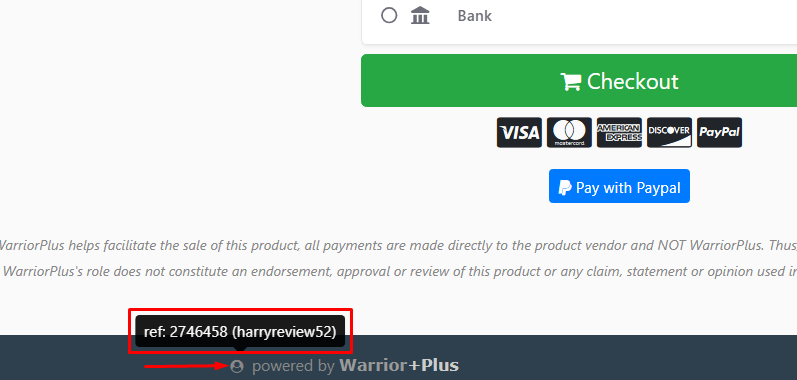
MY ID IS harryreview52. YOU WILL SEE IT AT THE PAYMENT GATE
- Step 2: You Will Get ALL my CLOUD-BASED SOFTWARE Bonuses BELOW and REMEMBER to hit me through [email protected] to confirm that you had done this step 2. You will get my Bonuses within 12 hours.
GLENNREVIEW EXCLUSIVE BONUSES IF YOU BUY FRONTEND:
Bonus 1: PromptBuddy
Prompt Buddy is a cloud-based, AI-powered tool designed to create tailored prompts for ChatGPT, MidJourney, and DALL-E 3. It’s not just about crafting prompts—it’s a complete business-in-a-box with a preloaded store of 80,000+ prompts ready to sell. With features like bulk prompt generation, seamless payment integration, and zero hosting costs, Prompt Buddy takes the hassle out of entering the booming AI market.

Bonus 2: EBFusion Cloud-Based App (FRONTEND)
SalePage: https://rickngz.com/ebfusion-live

EBFusion Is A Brand New Ground-Breaking Software AUTO Creates A Fully-Functional Online Ebook Store In Less Than 60 SecondsAnd Instantly Loads It With 10,000+ Ebooks In 100+ Genres That You Can Sell and Change The Price Of Any eBook.
Bonus 3: AIFlipBook Cloud-Based App (FRONTEND)
SalePage: https://rickngz.com/aiflipbook-live

AIFlipBook Is A Brand New AI-Powered App AUTO Creates Fully-Functional FLIPBOOKS In A Flash That You Can Sell & Keep 100% Profits…2000+ FlipBooks In 50 Niches Pre-Loaded To Get YOU Started Instantly So You Can Sell or giveaway To clients for leads or profits
Bonus 4: AIBookSite Cloud-Based App (FRONTEND)
SalePage: https://rickngz.com/aibooksite-special-live

First-To-Market 1-Click ChatGPT Powered App Creates A Completely Automated Book Affiliate Website In Less Than 60 SecondsInstantly Load 90,000+ ebooks, physical books & audiobooks under 130+ categories in just a click… automatically embedded with your affiliate link – so you get paid instantly!All You Need To Do Is Just Enter Your Affiliate IDs and Choose Your Niche, AIBookSite Will Do The Rest Of The Work For You.
Bonus 5: EazySitePro Cloud-Based App (FRONTEND)
SalePage: https://rickngz.com/eazysitepro-special-live

EazySitePro Is A Brand New Ground-Breaking Software AUTO Creates A Fully-Functional Website In Chat-GPT Style In Seconds , And Pre-loaded with stunning designs, high-converting copy, high-quality blog posts, stunning logos & more
Bonus 6: Secret Software That Allows You To Access GPT4-128K + ChatGPT PLUS For Free
You can now get all the perks of ChatGPT Plus without spending a penny. 😎ChatGPT Plus is pretty neat, right? Faster answers, priority access, and super detailed responses. But, it usually costs a bit.Good news! This training shows how to unlock all those Plus features for FREE and We put it all into a simple guide. It’s easy to use, no techy stuff needed.
Bonus 7: AI Motivational Video Builder MasterClass
SalePage: https://aionlinemarketer.com/motivational-video-builder-masterclass

Imagine stepping into a world where creating motivational videos is not only easy but also exciting. That’s exactly what our course offers. Designed for anyone passionate about inspiring others, this training teaches you how to use AI to make both long and short motivational videos effortlessly. Whether you’re a beginner or have tried making videos before, you’ll learn secrets that make your videos stand out. From finding the perfect idea to polishing your final product, we guide you every step of the way. Join us, and let’s start making videos that not only look professional but also generate millions of views.
Bonus 8: Advanced ChatGPT Prompts Generator Software

Imagine having the ability to generate unlimited advanced ChatGPT prompts that can help you create solid articles, captivating video scripts, in-depth product reviews, and much more.Whether you’re a seasoned content creator or just starting out, this software is packed with straightforward dashboard + insights on how to:– Craft Advanced ChatGPT Prompts: Learn the secrets to formulating prompts that result in high-quality, engaging content.– Unleash Creativity: Explore new horizons in content creation, from articles and scripts to reviews, without ever hitting a creative block.– Innovate and Impress: Stand out with content that resonates, engages, and converts, all thanks to the power of AI.
Bonus 9: Unlimited Coloring Books Builder MasterClass

This is a gateway to creating unlimited coloring books using revolutionary AI technology. 🌟Introducing “The Infinite Palette: Creating Limitless Coloring Books with AI,” Inside, you’ll discover:🛠️ Simple steps to use FREE AI tools for endless coloring book designs.🎁 Done-for-you AI prompts ready to spark your creativity.📈 A seamless process to turn your creations into sellable art on KDP.
Bonus 10: AI T-Shirt Design – POD MasterClass

This MasterClass shows you how to use 100% free AI tools for eye-catching T-shirt designs and start a print-on-demand business with zero hassle(zero cost, no design skills needed). 🎨✨What’s in it for you?🛠️ Access to the best FREE AI design tools.📚 Easy step-by-step design instructions.🚀 Tips to launch your business without fees.Whether you’re a pro or just starting, this guide is your key to unlocking endless creativity and business potential. 🗝️💡
MORE BONUSES IF YOU BUY ATLEAST 1 UPSELL:
Bonus 11: CBSitePro Cloud-Based App
SalePage: https://rickngz.com/cbsitepro-live

CBSitePro Is 1-Click App AUTO Creates A Self-Updating ClickBank Review WebsiteAuto-Loaded With Top-Converting ClickBank Offers In Less Than 60 Seconds…Instantly Loaded With High-Quality Review Articles + Self-Updating Blog Posts All products are pre-approved and automatically embedded with your affiliate links… (You can even add your own product reviews if you want)
Bonus 12: SiteToolPro Cloud-Based App
SalePage: https://rickngz.com/sitetoolpro-live

SiteToolPro Is The First-To-Market 1-Click App Creates A Completely Automated Web Tool WEBSITE In Less Than 60 Seconds…Instantly Load 60+ online free-to-use tools used on a daily basis in just a click…You can SELL Your Visitors Your Own Products Or Affiliate Offers, Place Banner Ads, Generate Income With Adsense, PropellerAds & so much more…
Bonus 13: EBSitemate (UPSELL 1+2+3)
First-To-Market AI-Powered App Creates A Completely Automated Book Affiliate Website In Less Than 60 Seconds, 90K DFY Books In 130+ Categories – Built-In ChatGPT – Automatic Site Creation – 4 AI Book Creator Trainings

Bonus 14: PromptBuddy (UPSELL 1+2+3)
Prompt Buddy is a cloud-based, AI-powered tool designed to create tailored prompts for ChatGPT, MidJourney, and DALL-E 3. It’s not just about crafting prompts—it’s a complete business-in-a-box with a preloaded store of 80,000+ prompts ready to sell. With features like bulk prompt generation, seamless payment integration, and zero hosting costs, Prompt Buddy takes the hassle out of entering the booming AI market.
Bonus 15: EBFusion Cloud-Based App (UPSELL 1+2+3)
👉.OTO #1: EBFusion PRO ($37)
- Translate ebook store into 100 languages
- Send unlimited emails to all existing members inside of store (using our in-built autoresponder)
- Send push notification to existing members via their desktops/mobiles
- Connect Your Custom Domain For Your Ebook Store
- Allow Users To Add Their Facebook Pixels +Google Analytics ID + Google Tag Manager ID
👉OTO #2: EBFusion Premium ($37)
- Create Unlimited Ebook Stores – users can create as many ebook stores as they want
- INCLUDES commercial rights – users can create & sell ebook stores to client
- Create Unlimited Articles From Our DFY Auto-Blogging Module – users can create as many blog posts as they want on autopilot.
- Get Unlimited Reseller Licenses (Sell EBFusion And Keep 100% Profits)
- Create Unlimited Ebooks Using Our Built-In Ebook Maker
- Get Extra 250,000 Done-For-You Ebooks In 500+ Genres
- Bonus: Fiverr Masterclass, DFY Client Researcher Cloud-based App.
👉.OTO #3: EBFusion GOLD ($27)
- You can instantly add another 4 income streams to your ebook store by following these simple steps.
- Choose from 100,000 hot-selling Done-For-You T-Shirt Designs To Sell On Your Store
- Choose from 120,000 attention-grabbing Done-For-You Audio Tracks To Sell On Your Store
- Choose from 200 High-quality Done-For-You Courses To Sell On Your Store
- Choose from 726 Done-For-You Cutting-Edge Software Options To Sell On Your Store
Bonus 16: AIFlipBook Cloud-Based App (UPSELL 1+2+3)
✅OTO #1: AIFlipBook PRO ($37)
- Create Unlimited FlipBooks – users can create as many FlipBooks as they want
- INCLUDES commercial rights – users can create & sell FlipBooks to client
- Create Unlimited Articles From Our DFY Content Builder – users can create as many articles as they want
- Get Unlimited Reseller Licenses (Sell AIFlipBook And Keep 100% Profits)
- Branding Removal: Remove AIFlipBook branding and add your own brand and your link.
✅.OTO #2: AIFlipBook Premium ($37)
- Place a fancy otp-in form on your flipbooks to automatically collect leads
- Auto-capture email leads to your AIFlipBook dashboard
- Ability to add opt-in form from any autoresponders
- Pixel Integration Included: Facebook Pixel ID, Google Analytics ID, and Google Tag Manager ID
- Add Call To Action + Clickable Link To Your FlipBook To Promote Anything You Want
✅OTO #3: AIFlipBook GOLD ($37)
- 1-Click Freelancer Marketplace Builder Auto-loaded with 25,000 DFY Gigs Under Different Categories + Automatically Embedded With Your Affiliate Link.
- Add your own gigs and charge your clients in the way you want
- Auto-Blog Builder Module With Unlimited Articles
Bonus 17: AIBookSite Cloud-Based App (UPSELL 1+2+3)
✅OTO #1: AIBookSite Pro ($37)
- Unlimited site license – users can create as many passive income AI book affiliate sites as they want
- INCLUDES commercial rights – users can create & sell AI book affiliate sites to client
✅OTO #2: AIBookSite Premium ($37)
- Place a fancy popup on your site to automatically collect leads
- Auto-capture email leads and automatically send new BOOK update to their inbox
- Auto-capture new subscribers and instantly promote new books to their desktop using our Push-Notification Module
- Place Live Chat and Facebook Comment Box On Your Site
- Place Google Pixel and Facebook Pixel On Your Site To Retarget Visitors.
✅OTO #3: AIBookSite Gold ($37)
- Instantly Adds Another Income Stream To Your AI Book Affiliate Site And Get Double Income From Your Book Sites.
- An Upgrade Adds 10,000 E-learning Courses Across 100+ Categories To Your AI Book Affiliate Site
Bonus 18: EazySitePro Cloud-Based App (UPSELL 1+2+3)
OTO #1: EazySitePro Unlimited ($47)
- Create UNLIMITED Websites In ChatGPT-Style + BONUS: DFY Client Researcher Cloud-based App
- Create Unlimited Blog Posts Using DFY Auto-Blogging Module
- Get Unlimited EazySitePro Commercial Licenses
- UNLOCK Unlimited EazySitePro RESELLER License
- UNLOCK Special Bonus Software and Receive Software Training To Create A Long-form Article In Seconds That Outranks Your Competitors
- EazySitePro Training + Fiverr Masterclass BONUS
- Premium Support – Value: PRICELESS!
✅OTO #2: EazySitePro Advanced ($67)
-
- Translate your website into 100 languages
- Enable Auto-Popup To Capture Unlimited Leads From Your Websites
- Send unlimited emails to all captured leads inside EazySitePro Backend (using our in-built autoresponder)
- Send push notification to visitors via their desktops/mobiles
- Connect Your Custom Domain For Your Website
- Add Facebook Pixels +Google Analytics ID + Google Tag Manager ID
- Get All Benefits In A Cost Effective Manner
✅OTO #3: EazySitePro ProfitStream ($37)
- You Can Instantly Add Another 3 Income Streams To Your Website.
- An Upgrade Adds 25,000 Fiverr Gigs + 90,000+ eBooks, Physical Books & AudioBooks + 20,000 ClickBank Products Across 250+ Categories To Your Website
MORE BONUSES IF YOU BUY ATLEAST 2 UPSELLS:
Bonus 19: RapidStoreZ (UPSELL 1+2+3)

A Revolutionary AI-Powered App That AUTO-CREATES a Fully-Functional Digital Store in Under 60 Seconds
And Instantly Loads It With 15,000 Canva Templates, 800 Coloring Pages, 80,000 Prompts, 20 Digital Courses, 3200+ Social Media Templates, 300+ Shorts/Reel Templates, 1000+ T-shirt Designs & More…You can Connect Your Preferred Payment Processor (PayPal, Stripe, Bank Account) To Sell and Collect Payments.
- SPECIAL: INCLUDED 12 AI TRAINING COURSES: Learn to create and sell digital products.
- Create Your Digital Store in Seconds: RapidStoreZ builds a fully functional store instantly.
- Loaded with 100,000+ Ready-to-Sell Products: Canva templates, coloring pages, prompts, courses, social media templates, shorts/reels, and T-shirt designs.
- Unlimited Discount Coupons: Boost sales with flexible pricing and promotions.
- Automated Setup in Under 60 Seconds: No technical skills required.
- Easily Change Prices: Update and manage product prices effortlessly.
- 100% Free Hosting: No hosting fees, ever.
- Seamless Mobile Experience: Customers can browse and purchase on any device.
- Connect Your Preferred Payment Processor: Supports PayPal, Stripe, and bank accounts.
- Single Dashboard Management: Manage all customer purchases and store activities in one place.
- DFY Blog Builder: Generate unique blog posts with ChatGPT technology.
- 12 AI Training Courses: Learn to create and sell digital products.
- Iron-Clad 30 Day Guarantee: Risk-free investment with money-back guarantee.
- Commercial License Included: Create and sell digital products to clients.
- Newbie-Friendly Dashboard: Easy to use for beginners.
Bonus 20: PromptSiteZ (UPSELL 1+2+3)

A Revolutionary AI-Powered App That AUTO-CREATES a Fully-Functional Digital Store in Under 60 Seconds
And Instantly Loads It With 15,000 Canva Templates, 800 Coloring Pages, 80,000 Prompts, 20 Digital Courses, 3200+ Social Media Templates, 300+ Shorts/Reel Templates, 1000+ T-shirt Designs & More…You can Connect Your Preferred Payment Processor (PayPal, Stripe, Bank Account) To Sell and Collect Payments.
-
- SPECIAL: INCLUDED 12 AI TRAINING COURSES: Learn to create and sell digital products.
- Create Your Digital Store in Seconds: RapidStoreZ builds a fully functional store instantly.
- Loaded with 100,000+ Ready-to-Sell Products: Canva templates, coloring pages, prompts, courses, social media templates, shorts/reels, and T-shirt designs.
- Unlimited Discount Coupons: Boost sales with flexible pricing and promotions.
- Automated Setup in Under 60 Seconds: No technical skills required.
- Easily Change Prices: Update and manage product prices effortlessly.
- 100% Free Hosting: No hosting fees, ever.
- Seamless Mobile Experience: Customers can browse and purchase on any device.
- Connect Your Preferred Payment Processor: Supports PayPal, Stripe, and bank accounts.
- Single Dashboard Management: Manage all customer purchases and store activities in one place.
- DFY Blog Builder: Generate unique blog posts with ChatGPT technology.
- 12 AI Training Courses: Learn to create and sell digital products.
- Iron-Clad 30 Day Guarantee: Risk-free investment with money-back guarantee.
- Commercial License Included: Create and sell digital products to clients.
- Newbie-Friendly Dashboard: Easy to use for beginners.
Bonus 21: AITravesSite (UPSELL 1+2+3)

- AITravelPro Is The 1-Click AI-Powered App Creates A Completely Automated Travel Affiliate WEBSITE In Less Than 60 Seconds…
- Instantly Load 700,000+ Hotels, 4,000 Airlines, 40,000+ Top Places To Visit, 100,000+ Car Parkings in just a click
- You can SELL Your Visitors Your Own Products Or Affiliate Offers, Place Banner Ads, Generate Income With Adsense, Propeller
- Ads & so much more…Build A Completely Automated Travel Affiliate Website In Seconds.
- Web-Based App, So There’s Nothing To Install.
- Loaded With 700,000+ Hotels, 4,000 Airlines, 40,000+ Top Places To Visit, 100,000+ Car Parkings
- Monetize Your Travel Website With Hotel Booking Affiliate Program
- Monetize Your Travel Website Using Banner Ads Or Google Adsense
- Automatically creates blog posts for your site using our DFY Blog Builder Module
- Also come with a WP Plugin to build travel content on your WordPress Site.
- Add Your Own Blog Posts To Your Travel Site
- Series of in-depth training videos shows all the ins and outs of the software.
Bonus 22: Ebbuddy (UPSELL 1+2+3)
EBBuddy Is A Brand New A.I. Powered App AUTO Creates A Fully-Functional Online Ebook Store In Minutes…… And Instantly Loads It With 10,000+ Ebooks In The Most-Popular Genres That You Can Sell | Change The Price Of Any eBook | Built-In AI eBook Maker | Create Unlimited Discount Coupons For eBooks
