
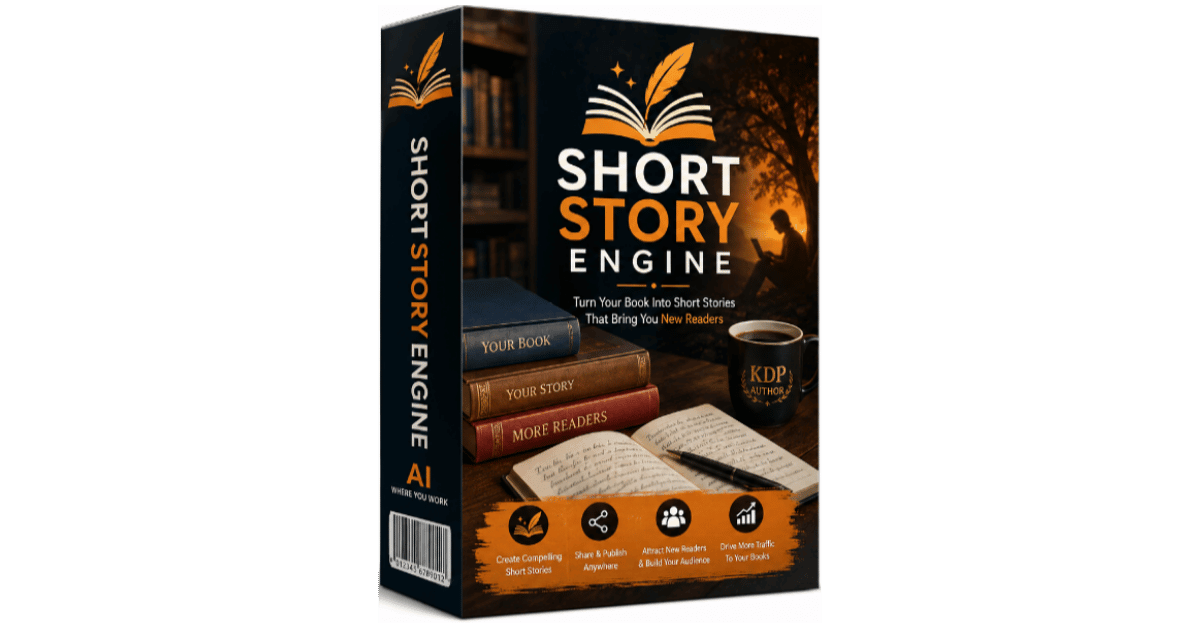
ShortStoryEngine Review – Introduction
In this ShortStoryEngine Review, I want to take a detailed, practical, and balanced look at ShortStoryEngine, an AI-powered short-story creation and reader-discovery system designed primarily for authors, Kindle publishers, fiction writers, and self-publishers who want to get more value from books, characters, themes, settings, and story worlds they have already created. Rather than approaching artificial intelligence from the familiar angle of simply asking AI to write another full-length book, ShortStoryEngine focuses on a different problem: once you have written a book, how can you create more opportunities for potential readers to discover your work? Consequently, the platform is built around helping authors turn existing intellectual property into standalone short stories, prequels, missing scenes, character stories, bridge stories, reader magnets, promotional fiction, newsletter material, and other short-form assets that can introduce new readers to the author’s main catalogue.
Moreover, the biggest point I want to make in this ShortStoryEngine Review is that ShortStoryEngine is not positioned simply as another general-purpose AI writing interface. Instead, the product connects story creation with reader discovery. An author can bring an existing book into the system and explore additional stories based on its characters, themes, locations, conflicts, backstories, and fictional universe. Alternatively, someone who has not yet completed a book can begin from a new idea, premise, concept, topic, or character. Therefore, the product can support both published authors who want to expand an existing world and aspiring writers who want to develop a body of short fiction before completing a larger project.
Additionally, ShortStoryEngine includes the Short Story Traffic Playbook, which is important because creating stories is only one part of the strategy. The accompanying system explains why short stories can work as reader-discovery tools, which types of companion stories can support promotion, how one story can be repurposed into multiple assets, and how authors can use stories through social sharing, newsletters, reader magnets, publishing opportunities, submission channels, templates, checklists, and a 30-day short-story traffic plan. Consequently, the front-end offer combines creation with a practical marketing framework rather than leaving buyers with a folder of stories and no clear idea what to do next.
However, this ShortStoryEngine Review does not treat the software as an automatic traffic or sales machine. Although ShortStoryEngine can help reduce blank-page friction, uncover additional story ideas, and organize an author’s short-fiction strategy, buyers still need to edit the generated material, protect character continuity, preserve their own author voice, verify platform requirements, follow current AI-disclosure rules, choose suitable distribution channels, create clear calls to action, and make sure the short stories are genuinely enjoyable to read. Therefore, ShortStoryEngine should be viewed as a specialized AI-assisted story expansion and reader-discovery tool rather than a guarantee of book sales, rankings, platform acceptance, newsletter growth, or audience size.

ShortStoryEngine Review – Overview
| Vendor: | Matt Garrett / AIWhereYouWork |
|---|---|
| Product: | ShortStoryEngine |
| Type: | AI-powered short-story creation, intellectual-property expansion, reader-discovery, promotional fiction, reader-magnet, and author-marketing system |
| Front-End Price: | $27 One-Time |
| Core Bonus: | Short Story Traffic Playbook with reader-discovery strategy, repurposing ideas, newsletter uses, reader magnets, templates, checklists, publishing opportunities, and a 30-day traffic plan |
| Best For: | Fiction authors, Amazon KDP publishers, indie writers, series authors, aspiring novelists, short-story writers, newsletter builders, reader-magnet creators, and self-publishers who want more ways to attract readers |
ShortStoryEngine Review – Who Created It?
In this ShortStoryEngine Review, ShortStoryEngine is presented by Matt Garrett under the AIWhereYouWork brand. Matt Garrett is associated with practical AI-assisted publishing, content creation, research, marketing, and self-publishing tools designed to fit directly into workflows that authors and online publishers already use. Consequently, ShortStoryEngine fits into a broader AIWhereYouWork ecosystem rather than being positioned as a completely isolated AI writing experiment.
Furthermore, the broader AIWhereYouWork product direction is relevant because the ShortStoryEngine funnel extends beyond story generation into submission assistance, browser-based story ideation, book marketing, self-publishing support, newsletter creation, fiction development, children’s publishing, planners, and software rebranding. Therefore, Matt Garrett and AIWhereYouWork appear to be building tools around different stages of an author’s journey: creating content, finding readers, promoting the main book, keeping an audience, and expanding into additional publishing or software opportunities.
Additionally, what stands out about the vendor’s approach in this ShortStoryEngine Review is the emphasis on a specific publishing problem rather than a broad promise that AI can do everything. ShortStoryEngine focuses on helping authors turn existing intellectual property into more discovery assets, while the optional tools tackle the next problems in the workflow. Consequently, the product feels more purposeful than a generic “AI writer” because it is built around the relationship between story creation, book discovery, audience growth, and long-term publishing activity.
Overall, this ShortStoryEngine Review sees Matt Garrett and AIWhereYouWork as a vendor combination focused on making AI more useful inside real publishing workflows. Nevertheless, buyers should evaluate ShortStoryEngine on the quality of the workflow, the relevance of short stories to their audience, the amount of editing they are willing to do, and whether the reader-discovery strategy fits their publishing business rather than purchasing based only on the vendor name.
ShortStoryEngine Review – What Is It?
ShortStoryEngine is an AI-powered short-story creation engine designed specifically around an author’s existing intellectual property. More specifically, it allows users to work with a book they have already written and identify additional standalone stories based on the book’s characters, themes, settings, conflicts, backstories, unanswered questions, and broader story world. Therefore, instead of treating a published book as a finished asset that only exists in one format, ShortStoryEngine encourages the author to turn that creative work into multiple new points of reader discovery.
In this ShortStoryEngine Review, the easiest way to understand ShortStoryEngine is as an IP-expansion and promotional short-fiction system. For example, a fantasy author could create a prequel about a supporting character, a mystery writer could explore a missing case, a romance author could develop a side-character story, and a series author could create bridge fiction between two books. Consequently, the tool is not merely trying to produce more words; it is helping the author convert an existing fictional universe into a growing library of stories that can introduce readers to the main catalogue.
Moreover, a finished book is not required. Users who are still developing their first larger project can begin with an idea, topic, premise, character, concept, or story-world direction. Therefore, ShortStoryEngine can also function as a creative development system for aspiring authors who want to explore their fictional universe through shorter pieces before committing to a complete novel.
Additionally, the product includes the Short Story Traffic Playbook, which expands the concept from writing into promotion. The playbook covers why short stories can work as discovery tools, the best types of promotional companion stories, turning one story into multiple promotional assets, social sharing, newsletters, reader magnets, a 30-day short-story traffic plan, templates, checklists, submission opportunities, and publishing best practices. Consequently, the front end combines a creative engine with a practical strategy for using the output.
Furthermore, the product’s optional funnel extends the workflow through a Submission Assistant, Book Cover Creator, Short Story Pilot browser extension, BookPromoPilot, SelfPublishPilot, Newsletter Pilot, PublisherPilot Pack, and RebranderClub. Therefore, ShortStoryEngine is best described as the starting point of a wider author and publishing ecosystem, while the front end remains focused specifically on creating stories that can help new readers discover an author’s work.
Finally, users should remember that AI-assisted stories are starting points rather than guaranteed publish-ready assets. Authors should still review the text for voice, originality, pacing, continuity, emotional depth, character consistency, platform suitability, and reader value. Therefore, this ShortStoryEngine Review considers the product a structured story-expansion and promotional-content accelerator that works best when the author remains actively involved in the final creative decisions.
ShortStoryEngine Review – Features And Benefits
In this section of ShortStoryEngine Review, here are the key features and benefits of ShortStoryEngine:
- AI-Powered Short-Story Creation
First, ShortStoryEngine is designed to help authors develop standalone short fiction without starting every project from a completely blank page. Therefore, users can reduce brainstorming friction and move more quickly from a broad idea to a workable story concept that supports a larger publishing strategy. - Creates Stories From Existing Books
Moreover, one of the strongest features of ShortStoryEngine is its ability to work from an author’s existing intellectual property. Consequently, the characters, locations, themes, conflicts, histories, and world-building already developed for a novel can become the foundation for additional stories rather than remaining locked inside a single book. - Supports Multiple Companion-Story Types
Additionally, users can explore prequels, missing scenes, side-character spotlights, origin stories, bridge fiction, seasonal stories, bonus fiction, reader magnets, newsletter fiction, serial content, and promotional stories. Therefore, the same fictional universe can support multiple marketing and reader-engagement goals. - Works Without A Finished Book
Furthermore, aspiring writers can begin with a new idea, topic, concept, premise, character, or story-world direction. Consequently, ShortStoryEngine can help users develop creative material even before their first full-length manuscript is complete. - Short Story Traffic Playbook
Moreover, the included Short Story Traffic Playbook shows authors what to do with the stories they create. Therefore, buyers receive strategy covering reader discovery, promotional story types, content repurposing, social sharing, newsletter use, reader magnets, publishing opportunities, templates, checklists, and a 30-day traffic plan. - One Story Can Become Multiple Promotional Assets
Additionally, ShortStoryEngine encourages authors to think beyond one-time publication. Consequently, a strong story can potentially contribute to newsletter excerpts, social posts, teaser content, reader-magnet campaigns, serialized material, promotional hooks, and other audience-building assets. - Reader-Discovery Focus
Furthermore, the core objective is not simply increasing word count. Instead, ShortStoryEngine is designed around creating more entry points into an author’s fictional world. Therefore, the value comes from turning creative material into opportunities for potential readers to encounter the author’s main work. - Useful For Series Authors
Moreover, series authors can use companion fiction to maintain reader interest between major releases. Consequently, bridge stories, backstories, missing scenes, and character spotlights can deepen the story world while providing additional promotional content. - Faster Content Than Writing Another Full Book
Additionally, developing a complete novel can take months, whereas shorter fiction can generally be planned, edited, packaged, and distributed more quickly. Therefore, ShortStoryEngine gives authors a more manageable way to remain visible between larger publishing projects. - Reader-Magnet Potential
Furthermore, short fiction can be packaged as a reader magnet that gives new subscribers a meaningful introduction to the author’s characters or world. Consequently, the stories can support email-list growth instead of functioning only as standalone content. - Newsletter Content Opportunities
Moreover, authors often struggle to decide what to send subscribers between book launches. Therefore, ShortStoryEngine can provide story excerpts, bonus scenes, character content, and short fiction that makes newsletters more reader-focused and less dependent on repeated sales messages. - Optional Submission Workflow
Additionally, the optional ShortStoryEngine Submission Assistant helps authors organize stories, identify publishing opportunities, prepare platform-specific versions, track rights and status, and follow publishing checklists. Consequently, users who create many stories can extend the system into a more organized distribution workflow. - Platform-Specific Preparation Support
Furthermore, the Submission Assistant can help with web-post formatting, serial-story preparation, suitability guidance, AI-disclosure guidance, and KDP or Kindle Unlimited conflict warnings. Therefore, authors receive more structure when adapting the same creative work for different publishing environments. - Optional Browser-Based Idea Development
Moreover, Short Story Pilot brings idea development directly into the browser. Consequently, users can turn what they are researching or reading into possible premises, characters, settings, plot angles, hooks, outlines, and story structures without repeatedly switching between separate tools. - Broader Book-Marketing Expansion
Additionally, optional tools such as BookPromoPilot and SelfPublishPilot extend the workflow into Amazon Ads keywords, advertising copy, listing audits, A+ Content planning, promotional blurbs, book launches, review requests, author bios, social advertising, and video promotion. Therefore, the broader funnel can support the next stage after reader discovery. - Newsletter Audience Building
Furthermore, Newsletter Pilot helps authors build an audience they can reach directly. Consequently, users can develop newsletter ideas, recurring sections, behind-the-scenes material, story excerpts, calls to action, promotional sequences, reader engagement, audience-growth ideas, and monetization opportunities. - Additional Publishing Niches
Moreover, the PublisherPilot Pack includes tools for children’s books, fiction, planners, workbooks, journals, and structured publishing projects. Therefore, users who grow beyond short fiction can expand into additional KDP markets using specialist workflows. - Low-Cost Front-End Entry
Finally, the front end is priced at $27. Consequently, authors can test the core ShortStoryEngine concept and the Short Story Traffic Playbook before deciding whether any of the larger optional upgrades are necessary for their publishing goals.

ShortStoryEngine Review – How Does It Work?
In this ShortStoryEngine Review, the process behind ShortStoryEngine can be organized into the following practical steps:
- Add An Existing Book Or Start With An Idea
First, begin ShortStoryEngine with a book you have already written or with a fresh idea, premise, concept, topic, or character. Therefore, both published authors and aspiring writers can enter the workflow without needing exactly the same starting point. - Identify Story Opportunities Inside The Source Material
Next, use ShortStoryEngine to explore which characters, events, themes, locations, histories, conflicts, unanswered questions, or missing moments could become standalone short fiction. Consequently, the system helps uncover story angles that might otherwise remain unused inside the original book. - Select The Strongest Companion-Story Concept
Afterward, choose a concept that works both creatively and strategically. Therefore, you can focus on the story that is most likely to satisfy a new reader while also creating natural curiosity about the broader fictional world. - Develop The Story
Furthermore, develop the chosen idea into short-form fiction. Consequently, ShortStoryEngine can accelerate brainstorming and drafting while the author remains responsible for the key creative decisions that shape the final result. - Edit For Voice And Continuity
Importantly, review the story for author voice, character consistency, pacing, tone, emotional depth, world-building accuracy, originality, and continuity. Therefore, the final story feels connected to the author’s existing work rather than like a generic AI-generated side project. - Choose A Reader-Discovery Role
Next, decide how the story will be used. Consequently, the same creative asset could function as a reader magnet, newsletter story, social promotion asset, serialized story, bonus download, web post, submission piece, or promotional companion story. - Apply The Short Story Traffic Playbook
Afterward, use the included Short Story Traffic Playbook to organize promotion, repurposing, social sharing, newsletter use, reader magnets, publishing opportunities, and the 30-day short-story traffic strategy. Therefore, the story becomes part of a deliberate reader-discovery process rather than a file that remains unused. - Repurpose The Story Into Multiple Assets
Furthermore, extract useful elements from the story for excerpts, teaser posts, newsletter material, character spotlights, reader engagement, social content, or additional story ideas. Consequently, one carefully created story can support several marketing channels. - Guide Interested Readers Toward The Main Book
Next, create a natural path from the short story to the author’s main work. Therefore, the practical sequence can become short story → reader interest → author discovery → main book → wider catalogue rather than depending entirely on a reader finding the book directly through Amazon. - Use The Submission Assistant If Needed
Additionally, authors who create many stories can optionally use the ShortStoryEngine Submission Assistant to organize publishing opportunities, platform-ready versions, suitability, AI disclosures, status, rights, results, and submission tracking. Consequently, the workflow can become easier to manage as the story library grows. - Check Platform Rules Before Publishing
Importantly, verify current platform requirements relating to AI-assisted content, disclosure, word count, rights, exclusivity, Kindle Unlimited, formatting, and submission rules. Therefore, ShortStoryEngine supports preparation, but the author remains responsible for complying with third-party publishing policies. - Repeat With Additional Stories
Finally, repeat the process with additional characters, locations, time periods, conflicts, or story-world elements. Consequently, the overall workflow can be summarized as discover, develop, edit, package, distribute, repurpose, connect to the main book, evaluate, and repeat.
ShortStoryEngine Review – My Experience Using It?
The section below presents a practical review assessment based on the ShortStoryEngine sales presentation, demonstrated workflow, included features, reader-discovery positioning, funnel structure, and the way an author would reasonably use the system to turn books and ideas into promotional short fiction.
In this ShortStoryEngine Review, my experience evaluating ShortStoryEngine begins with the part I consider most useful: the product encourages authors to stop thinking of a finished book as a single, isolated asset. When an author creates a novel, a surprising amount of intellectual property exists beyond the final manuscript. There may be secondary characters with unexplored histories, locations with stories of their own, events that happened before chapter one, conflicts that continued after the ending, deleted scenes, alternative points of view, and questions that the main plot never had space to answer. Therefore, the basic idea behind ShortStoryEngine immediately feels practical because it gives the author a structured reason to reuse material that would otherwise remain invisible.
Initially, I would not use ShortStoryEngine simply to generate as many stories as possible. Instead, I would begin by asking which parts of the original book could create genuine reader curiosity. For example, if I had written a mystery novel, I might explore an earlier case involving a supporting detective, a suspicious event that occurred before the main investigation, or a side character’s experience during an important scene. Consequently, the most useful output would not necessarily be the longest story, but the story that gives a new reader a satisfying experience while creating a natural desire to discover the larger book.
Furthermore, I like that the product is positioned around reader discovery rather than raw AI generation. Many AI tools can produce text, but producing text is not the same thing as creating a useful promotional asset. Therefore, ShortStoryEngine becomes more interesting when the story has a clear purpose: introducing a character, expanding the fictional world, creating a reader magnet, keeping newsletter subscribers engaged, or giving social followers something more valuable than another “buy my book” post.
Moreover, I would pay close attention to whether each short story works independently. A promotional story should not feel like an advertisement disguised as fiction. If a new reader needs to understand three previous novels before the story makes sense, then it may not be an effective discovery asset. Consequently, I would use ShortStoryEngine to find concepts that can stand on their own while still connecting naturally to the larger world.
Additionally, I see real value in the ability to begin without a finished book. If I were still developing a fictional universe, short stories could help me test which characters are compelling, which settings deserve more attention, and which conflicts have enough depth to support a larger project. Therefore, ShortStoryEngine could function as a pre-publication development tool as well as a post-publication promotional system.
Furthermore, I would use the short-story format to experiment with tone and point of view before making expensive decisions about a full novel. For instance, a series idea may sound strong in outline form but feel flat when a particular character has to carry an entire story. Consequently, creating several shorter pieces can reveal whether the fictional universe has enough variety and emotional range to support a larger catalogue.
Moreover, the Short Story Traffic Playbook is one of the parts I consider most important because AI content tools often fail at the stage after creation. It is easy to produce another file, but the author’s real problem is deciding what to do with it. Therefore, guidance around reader magnets, newsletters, social sharing, publishing opportunities, repurposing, templates, checklists, and a 30-day traffic plan gives the front-end product more practical value than a story generator by itself.
Additionally, I would use the playbook selectively rather than trying every promotional tactic at once. For example, if my audience primarily responds to email, I would first test bonus fiction as a newsletter and reader-magnet strategy. If I already have an active social following, I might repurpose scenes or story excerpts into posts. Consequently, the strongest approach is to connect ShortStoryEngine with the channels the author can realistically maintain instead of turning promotion into another overwhelming checklist.
Furthermore, the repurposing idea is particularly valuable. A carefully edited short story can potentially provide an excerpt, a character post, a behind-the-scenes explanation, a newsletter discussion, a promotional hook, a reader magnet, and several social updates. Therefore, the return on the time spent creating one strong story can be considerably higher than posting unrelated promotional material every day.
However, I would still regard human editing as essential. AI can generate useful concepts and workable drafts, but fiction depends on subtle qualities such as voice, emotional continuity, subtext, characterization, rhythm, originality, pacing, and narrative payoff. Consequently, I would never recommend treating a generated draft as automatically ready for readers just because the story is short.
Moreover, continuity matters especially when the new story is connected to an existing book. If a supporting character behaves differently, a location is described inconsistently, or an event contradicts the original timeline, loyal readers may notice immediately. Therefore, I would keep the original manuscript or a story bible nearby and review every ShortStoryEngine draft against established canon before publication.
Additionally, I would deliberately add material that only I know about the fictional world. AI output becomes more distinctive when the author supplies specific details, motivations, private histories, sensory memories, cultural references, recurring symbols, and thematic connections. Consequently, ShortStoryEngine is strongest when it accelerates the author’s creative process rather than replacing the author’s contribution.
Furthermore, I appreciate that the product can help solve the “what do I send my newsletter?” problem. Authors often build an email list and then struggle to communicate between launches because every message feels promotional. Therefore, bonus stories, missing scenes, character spotlights, and fictional extras can make a newsletter feel like part of the reader experience rather than simply an advertising channel.
Likewise, reader magnets can be more effective when they have a clear connection to the author’s main work. A random free story may attract people who enjoy free content but have little interest in the actual book series. Consequently, I would use ShortStoryEngine to create a magnet that closely matches the tone, characters, setting, or genre promise of the paid catalogue so that the transition from free reader to book buyer feels natural.
Moreover, the concept can be particularly useful for series authors. Between major releases, readers may go months without new content from a favorite fictional world. Therefore, a short bridge story or side-character adventure can help maintain attention while the next full book is still being written.
However, I would avoid releasing so much bonus fiction that the main series becomes confusing. Companion stories should add value, not create a maze of required reading. Consequently, I would clearly label whether a short story is optional, where it sits in the timeline, and whether it contains spoilers for the main books.
Furthermore, the optional Submission Assistant is one of the upgrades that makes logical sense if the author becomes serious about distributing short fiction through multiple platforms. Once you have ten, twenty, or more stories, tracking where each piece has been published, which rights remain available, what the word-count limits are, and whether a story conflicts with KDP or Kindle Unlimited obligations can become complicated. Therefore, a central library and submission tracker can be more useful later than it appears at the beginning.
Additionally, I like that the Submission Assistant is described as handling preparation and organization while keeping the author in control of final publication. That is a sensible model because publishing platforms have different rules and authors should not assume that copying the same story everywhere is always permitted or strategically wise. Consequently, automation should reduce repetitive work without removing the author’s responsibility for rights, disclosure, exclusivity, or suitability.
Moreover, I would pay particular attention to KDP and Kindle Unlimited conflict warnings. If a story is connected to content enrolled in an exclusivity program, distribution decisions can have consequences. Therefore, even with software assistance, I would verify the current platform terms before publishing or serializing related material elsewhere.
Furthermore, the optional Book Cover Creator makes sense if I regularly package short stories as downloadable products, reader magnets, ebooks, or promotional assets. A professionally presented story generally feels more valuable than a plain document. Consequently, covers can improve the perceived quality of bonus fiction even when the story is being given away rather than sold.
However, I would still check every cover for genre fit, readability, typography, and thumbnail impact. A beautiful image is not automatically an effective book or story cover. Therefore, the final visual should clearly communicate the mood and category of the fiction while remaining easy to read on a small screen.
Additionally, I see Short Story Pilot as most useful for writers who discover ideas while researching online. Inspiration often appears while reading an article, looking at a location, studying history, or exploring an unfamiliar topic. Consequently, developing a premise, hook, character, setting, or outline directly in the browser can reduce the friction of copying information into separate notes and AI conversations.
Moreover, this browser-based approach may be particularly helpful for users who do not yet have a finished KDP book. Instead of waiting until a full manuscript exists, they can begin collecting and developing short-story ideas immediately. Therefore, the broader ShortStoryEngine ecosystem can support both discovery after publication and creative development before publication.
Furthermore, I would approach BookPromoPilot + SelfPublishPilot only after the main creative workflow is working. The tools cover useful marketing areas such as Amazon Ads keywords, listing audits, promotional blurbs, launch planning, review requests, A+ Content, advertising copy, social promotion, and video promotion. Consequently, they are potentially valuable, but marketing software becomes more useful when the author already has a strong book and a clear audience to promote.
Likewise, Publisher Pro is a reasonable lower-cost alternative for buyers who want book-marketing assistance without the complete BookPromoPilot package. Therefore, I would compare the actual marketing tasks I need to perform with the included systems before deciding whether the larger upgrade is necessary.
Moreover, Newsletter Pilot follows the reader-discovery strategy naturally. Short stories can attract attention, but a reader discovered through a social platform or third-party story site may disappear if the author has no direct relationship with them. Therefore, building a newsletter gives the author an audience that can be reached again when the next story or book is released.
Additionally, I like the simple strategic sequence behind the funnel: ShortStoryEngine finds readers, book-promotion tools help sell the main book, and Newsletter Pilot helps keep the audience. Consequently, the individual tools make more sense when viewed as stages of a publishing system rather than unrelated upsells.
Furthermore, the PublisherPilot Pack expands into children’s books, fiction workflows, planners, workbooks, journals, and other KDP opportunities. Therefore, this upgrade is more relevant to people building a broader publishing business than to an author who simply wants a few promotional short stories.
Moreover, RebranderClub changes the buyer’s role entirely because it focuses on rebranding and selling AI software rather than using the tools only as an author. Consequently, I would treat the $49 monthly membership as a separate business opportunity that should be evaluated independently from the core ShortStoryEngine purchase.
Additionally, the front-end $27 price feels reasonable if the buyer genuinely plans to use the system. At that price, the important question is not whether ShortStoryEngine can guarantee traffic. Rather, the question is whether it can save enough time in story discovery, drafting, repurposing, reader-magnet creation, and promotional planning to justify the investment. Consequently, the barrier to testing the core concept is relatively low for an active fiction author.
However, I would not buy the full funnel on day one simply because every tool sounds useful. More software can create more complexity if the author has not yet established a repeatable publishing process. Therefore, I would begin with the front end, create several high-quality stories, apply the Traffic Playbook, and identify the next genuine bottleneck before purchasing another upgrade.
Furthermore, I would measure the success of ShortStoryEngine with realistic indicators. Instead of asking whether one short story instantly generates major book sales, I would look at whether the system helps me create more usable promotional assets, maintain newsletter consistency, develop better reader magnets, increase clicks toward the main book, and stay visible between releases. Consequently, the product can provide meaningful value even when the results appear gradually rather than dramatically.
Additionally, I would keep a simple spreadsheet or tracker showing each story, its purpose, where it was published, which book it promotes, which call to action it uses, and what results it produces. Therefore, the creative process becomes measurable, and I can learn which types of stories actually attract the right readers instead of creating content based entirely on guesswork.
Moreover, I would avoid using the same call to action for every story. A new reader may be more willing to join a newsletter than purchase a complete series immediately, while an existing fan may be ready to buy the next book. Consequently, the ShortStoryEngine strategy becomes stronger when the promotional path matches the reader’s level of familiarity with the author.
Furthermore, I would use existing readers as a source of story ideas. Questions from reviews, email replies, or social comments can reveal which characters people want to know more about and which parts of the fictional world have created curiosity. Therefore, ShortStoryEngine can help turn real reader interest into new companion content rather than relying only on AI-generated suggestions.
Additionally, I would build a simple editorial checklist for every story. That checklist would include continuity with the original book, originality, opening strength, pacing, character motivation, emotional payoff, proofreading, formatting, platform suitability, call to action, and disclosure requirements where applicable. Consequently, the faster creation process does not reduce the quality standards applied before publication.
Moreover, I would pay special attention to the ending. A promotional story should still deliver a satisfying conclusion even if it leaves the reader curious about the larger world. Therefore, I would avoid ending every piece with an obvious advertisement or unresolved cliffhanger that makes the story feel incomplete unless serialization is intentionally part of the strategy.
Furthermore, I see long-term potential in using ShortStoryEngine to create a library of evergreen reader-discovery assets. One book launch lasts for a limited period, but a collection of high-quality short stories can continue introducing readers to the author’s work across newsletters, websites, reader magnets, social channels, and publishing platforms. Consequently, the product encourages a more durable content strategy than relying only on temporary launch promotions.
Nevertheless, volume should never replace quality. Publishing twenty weak companion stories can damage an author’s reputation more than publishing three excellent ones helps it. Therefore, I would use ShortStoryEngine to accelerate idea development while maintaining a high standard for what readers actually receive.
Additionally, I would continue reading successful short fiction in my genre. Understanding how real authors handle compression, pacing, character introduction, conflict, and endings is essential because shorter fiction has different structural demands from a novel. Consequently, ShortStoryEngine should complement genre knowledge rather than replace it.
Moreover, authors with a strong existing backlist may obtain especially good strategic value because they already have many story worlds to expand. A single book can provide several story opportunities, while a five- or ten-book catalogue can provide dozens. Therefore, the potential content library grows with the amount of intellectual property the author already owns.
Furthermore, beginners can still benefit because the system can help them start building a body of work before the main book is complete. Consequently, they may reach launch day with more than a single product page; they can already have short fiction, newsletter content, a reader magnet, and a small audience familiar with their storytelling.
Overall, my experience evaluating ShortStoryEngine is positive because the product addresses a genuine publishing problem: authors often create a book and then struggle to create enough meaningful ways for readers to discover it. The combination of existing-IP expansion, short-story creation, promotional positioning, repurposing, reader magnets, newsletter use, and a structured traffic playbook can make marketing feel more connected to the actual creative work.
Ultimately, this ShortStoryEngine Review finds that the product is most useful when treated as an AI-assisted story expansion system and reader-discovery framework. Authors who combine the software with original creative direction, careful editing, platform-policy checks, thoughtful distribution, clear calls to action, audience tracking, and realistic expectations are likely to obtain substantially more value than users who simply generate stories and hope that traffic appears automatically.
WATCH THE DEMO VIDEO HERE:

Why You Should Buy It?
In this ShortStoryEngine Review, the main reason to consider ShortStoryEngine is that it provides a structured way to turn creative work you already own into additional opportunities for reader discovery. Many authors spend months or years building characters, settings, histories, conflicts, and fictional worlds, yet after publication most of that value remains trapped inside one book. Therefore, a system that helps uncover prequels, side stories, missing scenes, reader magnets, bonus fiction, bridge stories, newsletter content, and promotional stories can help the author get more practical use from the same intellectual property.
Additionally, ShortStoryEngine is more specialized than simply opening a generic AI chat and asking for a short story. The product is built around the strategic relationship between story creation, reader discovery, content repurposing, newsletter engagement, reader magnets, and book promotion. Consequently, buyers receive a clearer publishing purpose for the output rather than another general AI writing tool.
Furthermore, the included Short Story Traffic Playbook strengthens the value of the front end because it addresses the question that matters after creation: what should the author do with the story? Therefore, buyers can use the software and strategy together instead of building a completely separate promotional process from scratch.
Moreover, the $27 front-end price makes the central workflow relatively inexpensive to test. Consequently, authors can create several stories, apply the traffic strategy, and evaluate whether the concept helps their publishing business before purchasing the larger optional funnel.
However, the strongest reason to buy ShortStoryEngine should be workflow efficiency, creative expansion, and reader-discovery strategy, not expectations of guaranteed traffic or sales. Therefore, the product is best for authors who are willing to edit the content, understand their readers, follow platform rules, and use the stories as part of a broader publishing system.
MY OPINION:
In my opinion, ShortStoryEngine is a useful specialized publishing tool because it concentrates on a problem that many authors face after writing a book: discovery. Generating another full manuscript is not always the best next step when the current book still needs more ways to reach readers. Therefore, the idea of turning existing intellectual property into multiple smaller, strategically useful stories gives ShortStoryEngine a more focused purpose than a generic AI fiction generator.
Moreover, I like that the front end includes the Short Story Traffic Playbook because creation without distribution is incomplete. Consequently, this ShortStoryEngine Review is positive but measured: the product can help authors create more useful promotional assets and organize a reader-discovery workflow, while the user still needs to perform editing, quality control, platform checks, positioning, and marketing.
Overall, ShortStoryEngine appears to provide the strongest value to fiction authors, KDP publishers, series builders, and aspiring writers who genuinely want to use short stories as a bridge between creative work and audience growth. Nevertheless, buyers seeking a fully automatic traffic system may be disappointed. Consequently, I see the product as an AI-assisted IP expansion tool, short-fiction creation engine, reader-discovery framework, and promotional-content system rather than a guaranteed audience generator.
ShortStoryEngine Review – Pros And Cons
Pros:
- ShortStoryEngine is specifically designed around short-story creation and reader discovery
- Can work from an author’s existing book and intellectual property
- Helps uncover stories from characters, settings, themes, conflicts, and story worlds
- Supports prequels, missing scenes, origin stories, side-character stories, bridge fiction, and promotional stories
- Users can begin with an idea even without a finished book
- Includes the Short Story Traffic Playbook
- Provides a 30-day short-story traffic plan
- Includes templates and checklists for practical implementation
- Supports reader-magnet creation
- Useful for newsletter content and subscriber engagement
- Encourages one story to be repurposed into multiple promotional assets
- Can help series authors keep readers engaged between major releases
- Optional Submission Assistant supports organization and platform preparation
- Submission Assistant includes publishing opportunity discovery and tracking
- Includes AI-disclosure and KDP/KU conflict guidance in the optional submission workflow
- Optional Book Cover Creator helps package stories visually
- Short Story Pilot provides browser-based idea development
- Broader funnel includes book marketing, newsletters, and additional publishing workflows
- The $27 front-end price is relatively affordable for testing the core concept
Cons:
- ShortStoryEngine does not guarantee readers, traffic, sales, rankings, or reviews
- AI-assisted stories still require meaningful editing and proofreading
- Authors must protect character and timeline continuity when expanding existing IP
- Generated stories can feel generic if the author does not personalize them
- The reader-discovery strategy still requires consistent implementation
- Platform suitability and publishing rules still need to be checked manually
- KDP and Kindle Unlimited exclusivity can affect where related stories may be distributed
- AI-disclosure requirements can vary by platform and change over time
- Some of the most advanced distribution and marketing features require optional upgrades
- The complete funnel costs considerably more than the $27 front-end offer
- RebranderClub introduces a $49 monthly recurring cost
- Short fiction is not equally relevant to every nonfiction publishing model
- Creating too many weak stories can dilute an author’s brand rather than strengthen it
- Authors still need clear calls to action and audience tracking to measure whether stories produce results
ShortStoryEngine Review – Price And Evaluation
At the time this ShortStoryEngine Review was prepared, the front-end price for ShortStoryEngine is $27. The front end includes the primary AI-powered short-story creation engine plus the Short Story Traffic Playbook. Consequently, buyers receive both the creative system for developing stories from existing intellectual property and the strategy system for turning those stories into reader-discovery assets.
Furthermore, the front end is the most practical entry point for most authors because it contains the core concept that defines ShortStoryEngine. Consequently, users can first create several stories, test reader magnets or newsletter content, apply the 30-day traffic plan, and evaluate whether the system fits their publishing strategy before purchasing the larger optional funnel.
Moreover, the complete ShortStoryEngine funnel expands into cover creation, submission management, browser-based story development, book marketing, newsletter building, additional publishing niches, and software rebranding. Therefore, this ShortStoryEngine Review recommends evaluating each upgrade according to the specific problem it solves rather than assuming every buyer needs every offer.
- ShortStoryEngine AI-powered short-story creation engine
- Create new stories from an existing book’s characters, themes, settings, and story world
- Start from an idea, topic, concept, or premise without a finished book
- Build a growing library of short stories for reader discovery
- Short Story Traffic Playbook
- Reader-magnet, newsletter, social-sharing, repurposing, and promotional strategy
- 30-day short-story traffic plan
- Templates, checklists, submission opportunities, and publishing best practices
- AI-powered cover creation for short stories
- Useful for reader magnets, ebooks, promotional stories, bonus fiction, and digital publishing projects
- Helps package stories with stronger visual presentation
- Story library and management
- Short-story publishing opportunity directory
- Platform-ready story preparation
- Web-post formatting and serial-story preparation
- AI-disclosure guidance and insertion where required
- Platform-specific publishing checklists
- Word-count and suitability guidance
- KDP / Kindle Unlimited conflict warnings
- Publishing and submission tracker
- Rights, status, and result tracking
- Guided links for completing publication on third-party platforms
- Converts the annual software license into a one-time lifetime license
- No future annual license payments
- Best for users who expect to keep using the ShortStoryEngine submission workflow long term
- Develop story ideas directly while browsing
- Create premises, characters, settings, plot angles, hooks, structures, outlines, and draft concepts
- Especially useful for users who do not yet have a finished KDP book
- Amazon Ads keyword assistance
- Advertising copy and reader-review angles
- Competitive positioning and Amazon listing audits
- A+ Content planning and promotional blurbs
- Book launch planning, review requests, and author bios
- Social advertising and video promotion
- SelfPublishPilot extends the toolkit into broader research, creation, and publishing workflows
- 12 specialist book-marketing systems
- Press releases, promotional planning, media pitches, and guest posts
- Social promotion, review marketing, and podcast pitches
- Reader emails, newsletters, and advertising copy
- Amazon descriptions, back-cover descriptions, landing pages, and launch emails
- Includes Promote Your Book Like A Pro companion guide
- Newsletter ideas and reader content
- Recurring newsletter sections and behind-the-scenes material
- Story excerpts and reader-engagement ideas
- Calls to action and reader-magnet concepts
- Promotional sequences and audience-growth ideas
- Newsletter monetization opportunities
- KidsBookPilot for children’s books, concepts, stories, and publishing assets
- FictionPilot for fiction and genre workflows from idea through publishing
- PlannerPilot for workbooks, journals, planners, and structured publishing projects
- Best for users who want to build a broader self-publishing engine
- Rebrandable browser extensions
- Sell software under your own brand
- Add software to courses, coaching programs, bonuses, lead magnets, and memberships
- Bundle tools with existing products and create recurring software offers
- Most relevant to marketers and entrepreneurs who want to move from software user to software owner
Overall, my pricing evaluation is that the ShortStoryEngine front end provides the most sensible starting point for a new buyer. At $27, the user receives the central short-story creation workflow plus the Short Story Traffic Playbook. Consequently, an author can test the core strategy by creating several stories and using them as reader-discovery assets before deciding whether the larger publishing ecosystem is necessary.
Moreover, the $17 Book Cover Creator appears most useful for authors who intend to package stories as reader magnets, ebooks, bonus fiction, or digital publishing assets. Therefore, I would consider it when visual presentation becomes part of the promotional workflow rather than buying it automatically.
Furthermore, ShortStoryEngine Submission Assistant at $47 for the first year is the upgrade most directly connected to the front end because it addresses what happens after the stories are created. Consequently, authors who plan to publish or submit many short stories may obtain meaningful value from the opportunity directory, platform preparation, publishing checklists, disclosure guidance, rights tracking, and status management.
Additionally, the supplied funnel lists the ShortStoryEngine Lifetime Upgrade at $67. Therefore, this option is best for buyers who already know they expect to use the submission workflow long term and prefer to avoid future annual license payments.
Moreover, Short Story Pilot at $27 is particularly relevant to users who generate ideas while browsing and researching. Consequently, aspiring writers without a completed book may find this upgrade useful earlier than authors who already have several established fictional worlds to draw from.
Furthermore, BookPromoPilot + SelfPublishPilot at $37 shifts the focus from story discovery toward promoting the main book. Therefore, I would consider this upgrade when the author’s next bottleneck is Amazon positioning, launch planning, advertising, listing optimization, review requests, or social promotion rather than story creation itself.
Additionally, Publisher Pro at $17 provides a lower-cost alternative for buyers who want a focused set of book-marketing systems. Consequently, it may be a more economical choice for authors who need marketing help but do not require the broader BookPromoPilot package.
Moreover, Newsletter Pilot at $37 makes sense once reader discovery begins working and the author wants to keep those readers. Therefore, it is best evaluated as an audience-retention tool rather than as a requirement for using ShortStoryEngine.
Furthermore, the PublisherPilot Pack at $47 is more relevant to users building a larger self-publishing business across fiction, children’s books, planners, workbooks, and journals. Consequently, a fiction author focused only on short-story promotion may not need this upgrade immediately.
Finally, RebranderClub at $49 per month should be evaluated as a separate recurring business model because it shifts the user from author and publisher toward software ownership and resale. Therefore, buyers should only consider it if they genuinely want to sell branded AI tools, add software to memberships, bundle tools with courses, or create recurring software offers.
ShortStoryEngine Review – Who Should Buy It?
In this ShortStoryEngine Review, ShortStoryEngine is best for:
- Self-published fiction authors who want more ways to promote an existing book without immediately writing another full-length title.
- Amazon KDP authors who want additional reader-discovery assets connected to their existing catalogue.
- Series authors who can create bridge stories, character backstories, missing scenes, prequels, and bonus fiction between releases.
- Aspiring authors who want to begin with short fiction before completing a first novel.
- Short-story writers who want to connect their fiction with a wider reader-discovery strategy.
- Authors building email lists who need stronger reader magnets and more engaging newsletter content.
- Authors struggling with book discovery who need more ways for potential readers to encounter their work.
- Authors interested in content repurposing who want one story to support several promotional channels.
- Writers with strong fictional worlds who have supporting characters, locations, histories, and unanswered questions that can become new stories.
- Authors who dislike repetitive sales posts and would rather market through entertaining story content.
- Newsletter publishers who want recurring fictional content tied directly to a book or series.
- Reader-magnet creators who want a free story that introduces subscribers to the same fictional world as the paid books.
- Content marketers working with authors who need additional promotional assets built around existing intellectual property.
- Authors who want to submit short fiction and may benefit from the optional Submission Assistant.
- Writers who research online and may benefit from the optional Short Story Pilot browser extension.
- Publishing entrepreneurs who want a broader AI-assisted ecosystem covering marketing, newsletters, fiction, children’s books, planners, and other publishing workflows.
- Budget-conscious authors who prefer to test a $27 front-end before investing in a larger publishing stack.
- Writers willing to edit and personalize AI-assisted content instead of publishing raw output.
- Authors willing to follow platform rules relating to rights, exclusivity, disclosures, suitability, and submission requirements.
- Action-takers with realistic expectations who understand that ShortStoryEngine can create more reader-discovery opportunities but cannot guarantee audience growth or book sales.
However, ShortStoryEngine may not be ideal for authors who have no interest in short fiction, publishers who want completely automated marketing, or users who are unwilling to edit AI-assisted content before sharing it with readers. Likewise, people expecting guaranteed traffic, sales, rankings, or platform acceptance may be disappointed. Therefore, this ShortStoryEngine Review considers the product best suited to authors who value creative expansion, reader-discovery strategy, content repurposing, newsletter engagement, series development, and human-controlled AI assistance.
ShortStoryEngine Review – Frequently Asked Questions
What is ShortStoryEngine?
ShortStoryEngine is an AI-powered short-story creation system designed to help authors create new standalone stories from an existing book’s characters, themes, settings, conflicts, and story world, or begin from a completely new idea.
Who created ShortStoryEngine?
ShortStoryEngine is presented by Matt Garrett under the AIWhereYouWork brand.
What is AIWhereYouWork?
In this ShortStoryEngine Review, AIWhereYouWork is the broader brand associated with specialist AI-assisted tools for publishing, content creation, research, book marketing, newsletters, and self-publishing workflows.
Do I need an existing book?
No. Although ShortStoryEngine is particularly useful for expanding an existing book, users can also begin with an idea, topic, concept, premise, or character.
What kinds of stories can ShortStoryEngine help create?
Depending on the source material, users can explore prequels, missing scenes, side-character stories, origin stories, bridge fiction, seasonal stories, reader magnets, newsletter fiction, serial content, bonus stories, and promotional companion fiction.
Is ShortStoryEngine only an AI story writer?
No. One of the main points of this ShortStoryEngine Review is that the product combines short-story creation with a reader-discovery and traffic strategy through the included Short Story Traffic Playbook.
What is the Short Story Traffic Playbook?
The Short Story Traffic Playbook shows authors how short stories can be used for reader discovery, promotional companion content, social sharing, newsletters, reader magnets, repurposing, publishing opportunities, and a 30-day traffic plan.
Can ShortStoryEngine help with reader magnets?
Yes. Reader magnets are one of the practical applications included in the ShortStoryEngine strategy, allowing authors to give potential subscribers a story connected to the same fictional world as their main books.
Can I use ShortStoryEngine for newsletters?
Yes. ShortStoryEngine can help authors create bonus stories, excerpts, missing scenes, and other fiction that may be used as newsletter content.
Can ShortStoryEngine guarantee traffic?
No. ShortStoryEngine can create more reader-discovery assets and provide a promotional framework, but traffic depends on distribution, story quality, audience fit, platform choice, calls to action, consistency, and other marketing factors.
Can ShortStoryEngine guarantee book sales?
No. This ShortStoryEngine Review does not treat the product as a guaranteed sales system. Short stories can introduce readers to an author’s work, but sales results vary according to the quality and positioning of both the discovery content and the main book.
Does AI-assisted content still need editing?
Yes. Authors should review generated material for voice, originality, character continuity, plot logic, pacing, emotional depth, world-building consistency, grammar, and overall reader experience.
Can ShortStoryEngine help series authors?
Yes. Series authors can use ShortStoryEngine for bridge stories, character backstories, missing scenes, prequels, bonus fiction, and reader magnets that keep readers engaged between major releases.
What is the ShortStoryEngine Submission Assistant?
The Submission Assistant is an optional upgrade that helps users organize stories, identify publishing opportunities, prepare platform-specific versions, track rights and status, follow checklists, and manage the publishing or submission process.
Does the Submission Assistant publish automatically?
The software is designed to handle preparation and organization while keeping the author in control of the final submission or publication. Therefore, users should not assume that every third-party publishing step is completed automatically.
Does it help with AI disclosure?
The optional Submission Assistant includes AI-disclosure guidance and insertion where required. Nevertheless, authors remain responsible for reviewing the latest rules of every platform they use.
Does ShortStoryEngine help with Kindle Unlimited conflicts?
The Submission Assistant includes KDP / Kindle Unlimited conflict warnings. However, authors should still verify the current exclusivity terms before distributing related content elsewhere.
What is the Book Cover Creator?
The Book Cover Creator is a $17 order bump designed to create covers for short stories, reader magnets, ebooks, promotional stories, bonus fiction, and other digital publishing projects.
What is Short Story Pilot?
Short Story Pilot is a $27 browser extension that helps users develop story ideas, premises, characters, settings, plot angles, hooks, structures, outlines, and draft concepts while browsing online.
What is BookPromoPilot?
BookPromoPilot is part of a $37 upgrade with SelfPublishPilot and focuses on book marketing tasks such as Amazon Ads keywords, advertising copy, listing audits, A+ Content planning, promotional blurbs, launches, reviews, author bios, social advertising, and video promotion.
What is Publisher Pro?
Publisher Pro is the $17 downsell for buyers who do not want the complete BookPromoPilot package. It includes 12 specialist book-marketing systems plus the Promote Your Book Like A Pro companion guide.
What is Newsletter Pilot?
Newsletter Pilot is a $37 browser extension designed to help authors plan, create, and grow newsletters around their books, characters, story worlds, author brand, publishing journey, and reader community.
What is the PublisherPilot Pack?
The PublisherPilot Pack costs $47 and includes KidsBookPilot, FictionPilot, and PlannerPilot, extending the ecosystem into children’s books, fiction workflows, planners, journals, workbooks, and other publishing projects.
What is RebranderClub?
RebranderClub is a $49 monthly membership that allows users to work with rebrandable AI browser extensions and potentially sell software under their own brand, add tools to courses or memberships, create bonuses, build lead magnets, and develop recurring software offers.
How much does ShortStoryEngine cost?
According to the offer information used for this ShortStoryEngine Review, the front-end price is $27.
Do I need every ShortStoryEngine upgrade?
No. Most new users can begin with the $27 front end, create several stories, apply the Short Story Traffic Playbook, and then decide whether additional cover, submission, marketing, newsletter, publishing, or rebranding tools solve a genuine need.
Is ShortStoryEngine suitable for beginners?
Yes, particularly for beginners who want a structured way to create short fiction and connect it with a reader-discovery strategy. Nevertheless, users should still learn basic editing, reader targeting, platform rules, and promotional measurement.
Can experienced authors use it?
Yes. Experienced authors may use selected parts of the workflow for story ideation, IP expansion, reader magnets, newsletter content, bridge stories, repurposing, or promotional planning while writing or heavily rewriting the final prose themselves.
Should I publish AI-assisted stories without editing?
No. This ShortStoryEngine Review recommends substantial review for continuity, voice, originality, pacing, dialogue, emotional depth, formatting, grammar, platform compliance, and overall reader satisfaction.
Is ShortStoryEngine worth it?
In this ShortStoryEngine Review, the product is worth considering for fiction authors and self-publishers who genuinely want to turn existing books or new ideas into short stories, reader magnets, newsletter content, companion fiction, and reader-discovery assets. However, it is less suitable for users expecting guaranteed traffic or sales without editing, distribution, audience understanding, and consistent implementation.
ShortStoryEngine Review – Conclusion
To conclude this ShortStoryEngine Review, ShortStoryEngine is an AI-powered short-story creation and reader-discovery system designed to help authors get more value from their existing intellectual property. Its core concept is simple but useful: rather than writing a book and then waiting for readers to discover it, authors can turn the characters, settings, themes, conflicts, histories, and story worlds they already created into additional short fiction that creates more opportunities for discovery.
Furthermore, one of the strongest advantages of ShortStoryEngine is that it does not concentrate only on generating words. The included Short Story Traffic Playbook helps connect the creative output with reader magnets, newsletters, social sharing, promotional assets, content repurposing, publishing opportunities, templates, checklists, and a 30-day short-story traffic plan. Therefore, the product tries to bridge the gap between writing a story and actually using that story strategically.
Moreover, the ability to work from an existing book gives the software a practical advantage for authors with established fictional worlds. A novel often contains far more creative material than appears on the page. Consequently, ShortStoryEngine can help uncover prequels, side stories, missing scenes, origin stories, bridge fiction, character spotlights, and bonus material that might otherwise remain unused.
Additionally, writers do not need a finished book to begin. Therefore, aspiring authors can use ShortStoryEngine to develop short fiction around a new premise, concept, character, or story world and learn which ideas deserve expansion into larger projects.
Furthermore, the short-story approach can be especially valuable for series authors because it creates a way to maintain reader attention between major releases. Consequently, readers can remain connected to familiar characters and worlds while the author continues developing the next full-length book.
Moreover, short fiction can provide stronger newsletter content than repeated sales messages. Therefore, authors can potentially give subscribers bonus scenes, character stories, world-building extras, or exclusive fiction that makes staying on the email list feel rewarding.
Additionally, reader magnets become more strategically useful when they match the author’s actual books. Consequently, a person who enjoys the free ShortStoryEngine-created story is more likely to be the kind of reader who may also enjoy the main series.
Furthermore, the optional Submission Assistant extends the workflow for authors who want to distribute or submit stories more widely. With story management, publishing opportunities, platform preparation, disclosure guidance, suitability checks, KDP/KU conflict warnings, rights tracking, and submission status, the upgrade can help organize a growing story library. Therefore, it becomes more valuable as the author creates more content.
Moreover, the optional Book Cover Creator can improve visual presentation for reader magnets, promotional stories, ebooks, and other digital assets. Consequently, authors can package short fiction more professionally instead of distributing every story as a plain document.
Additionally, Short Story Pilot offers a convenient browser-based way to capture ideas while researching. Therefore, users can turn interesting material into premises, characters, hooks, settings, structures, and outlines without continually switching between webpages and separate AI conversations.
Furthermore, BookPromoPilot + SelfPublishPilot extend the system beyond short-story discovery into ongoing book marketing. Consequently, authors who successfully attract readers with companion stories can then focus on Amazon positioning, advertising, launches, reviews, A+ Content, promotional copy, and broader publishing workflows.
Moreover, Newsletter Pilot addresses an equally important long-term issue: keeping the audience. Social platforms, Amazon, and third-party story sites control their own audiences, while an email list gives the author a more direct relationship with readers. Therefore, the ShortStoryEngine funnel follows a sensible progression from finding readers to promoting the main book to building an audience the author can reach again.
Additionally, the broader PublisherPilot Pack can support users who want to expand into children’s books, fiction workflows, planners, workbooks, journals, and other publishing opportunities. Consequently, the ecosystem can grow with the buyer, although these additional tools are not necessary for someone whose only goal is creating promotional short fiction.
Furthermore, RebranderClub changes the buyer’s role from author and publisher to potential software owner. Therefore, the $49 monthly membership should be evaluated separately and only by users interested in rebranding AI tools, adding software to courses or memberships, creating bonuses, or building recurring software offers.
However, this ShortStoryEngine Review also makes one point clear: ShortStoryEngine is not a guaranteed reader, traffic, or book-sales system. Users still need to make creative decisions, edit the stories, preserve continuity, follow platform rules, choose suitable distribution channels, create appropriate calls to action, track results, and ensure every piece of fiction is genuinely worth reading. Consequently, AI can reduce creative and promotional friction without removing the work required to build a real audience.
From a pricing perspective, the $27 front-end offer provides an accessible way to test the central strategy. Therefore, buyers interested mainly in turning their books or ideas into additional reader-discovery stories do not need to purchase every upgrade before deciding whether the workflow matches their goals.
Meanwhile, the optional funnel allows buyers to add cover creation, story submission management, lifetime access, browser-based idea development, book marketing, newsletter building, additional publishing tools, and software rebranding. Consequently, the complete ecosystem can become substantial, but the smartest purchasing approach is to add tools only when they solve a real bottleneck.
Overall, if you want a more organized way to expand an existing story world, create prequels and side stories, build reader magnets, develop newsletter content, repurpose fiction into promotional assets, and create more entry points into your book catalogue, then ShortStoryEngine is worth considering. Its specialized reader-discovery focus makes it more purposeful than simply asking a generic AI assistant to write random short stories.
Ultimately, my conclusion in this ShortStoryEngine Review is positive but realistic. ShortStoryEngine can provide a meaningful productivity advantage when used as an AI-assisted intellectual-property expansion system, short-story creation engine, reader-magnet builder, newsletter-content generator, promotional-fiction workflow, and reader-discovery framework. Authors who combine its automation with original creative direction, careful editing, responsible platform compliance, thoughtful distribution, clear calls to action, and realistic expectations are likely to obtain substantially more value than users simply hoping that AI-generated stories will automatically produce traffic or book sales.
NOTE: THIS IS THE SPECIAL DEAL FROM ME: I Will Support You Whenever You Want. (Just Contact Through My Skype: live:.cid.bf1aefcdeedab334). If You Buy This Product From My Site, You Can Ask Me Anything You Want.
You can have an opportunity to receive extra bonuses if you finish 2 steps below:
- Step 1: Order ShortStoryEngine by Clicking here.
MY ID IS harryreview52. YOU WILL SEE IT AT THE PAYMENT GATE
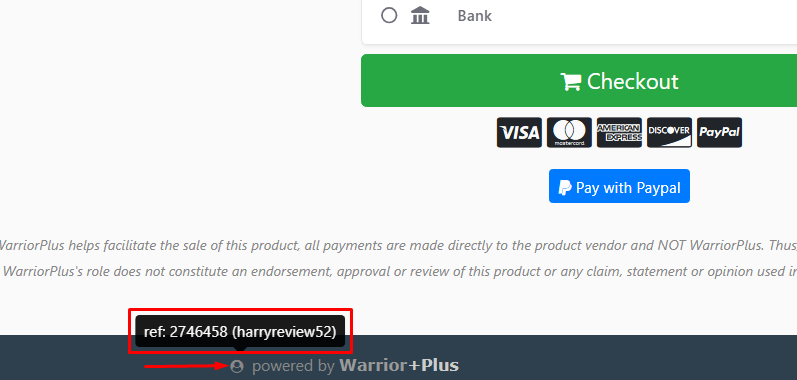
- Step 2: You Will Get ALL my CLOUD-BASED SOFTWARE Bonuses BELOW and REMEMBER to hit me through [email protected] to confirm that you had done this step 2. You will get my Bonuses within 12 hours.
GLENNREVIEW EXCLUSIVE BONUSES IF YOU BUY FRONTEND:
Bonus 1: PromptBuddy
Prompt Buddy is a cloud-based, AI-powered tool designed to create tailored prompts for ChatGPT, MidJourney, and DALL-E 3. It’s not just about crafting prompts—it’s a complete business-in-a-box with a preloaded store of 80,000+ prompts ready to sell. With features like bulk prompt generation, seamless payment integration, and zero hosting costs, Prompt Buddy takes the hassle out of entering the booming AI market.

Bonus 2: EBFusion Cloud-Based App (FRONTEND)
SalePage: https://rickngz.com/ebfusion-live

EBFusion Is A Brand New Ground-Breaking Software AUTO Creates A Fully-Functional Online Ebook Store In Less Than 60 SecondsAnd Instantly Loads It With 10,000+ Ebooks In 100+ Genres That You Can Sell and Change The Price Of Any eBook.
Bonus 3: AIFlipBook Cloud-Based App (FRONTEND)
SalePage: https://rickngz.com/aiflipbook-live

AIFlipBook Is A Brand New AI-Powered App AUTO Creates Fully-Functional FLIPBOOKS In A Flash That You Can Sell & Keep 100% Profits…2000+ FlipBooks In 50 Niches Pre-Loaded To Get YOU Started Instantly So You Can Sell or giveaway To clients for leads or profits
Bonus 4: AIBookSite Cloud-Based App (FRONTEND)
SalePage: https://rickngz.com/aibooksite-special-live

First-To-Market 1-Click ChatGPT Powered App Creates A Completely Automated Book Affiliate Website In Less Than 60 SecondsInstantly Load 90,000+ ebooks, physical books & audiobooks under 130+ categories in just a click… automatically embedded with your affiliate link – so you get paid instantly!All You Need To Do Is Just Enter Your Affiliate IDs and Choose Your Niche, AIBookSite Will Do The Rest Of The Work For You.
Bonus 5: EazySitePro Cloud-Based App (FRONTEND)
SalePage: https://rickngz.com/eazysitepro-special-live

EazySitePro Is A Brand New Ground-Breaking Software AUTO Creates A Fully-Functional Website In Chat-GPT Style In Seconds , And Pre-loaded with stunning designs, high-converting copy, high-quality blog posts, stunning logos & more
Bonus 6: Secret Software That Allows You To Access GPT4-128K + ChatGPT PLUS For Free
You can now get all the perks of ChatGPT Plus without spending a penny. 😎ChatGPT Plus is pretty neat, right? Faster answers, priority access, and super detailed responses. But, it usually costs a bit.Good news! This training shows how to unlock all those Plus features for FREE and We put it all into a simple guide. It’s easy to use, no techy stuff needed.
Bonus 7: AI Motivational Video Builder MasterClass
SalePage: https://aionlinemarketer.com/motivational-video-builder-masterclass

Imagine stepping into a world where creating motivational videos is not only easy but also exciting. That’s exactly what our course offers. Designed for anyone passionate about inspiring others, this training teaches you how to use AI to make both long and short motivational videos effortlessly. Whether you’re a beginner or have tried making videos before, you’ll learn secrets that make your videos stand out. From finding the perfect idea to polishing your final product, we guide you every step of the way. Join us, and let’s start making videos that not only look professional but also generate millions of views.
Bonus 8: Advanced ChatGPT Prompts Generator Software

Imagine having the ability to generate unlimited advanced ChatGPT prompts that can help you create solid articles, captivating video scripts, in-depth product reviews, and much more.Whether you’re a seasoned content creator or just starting out, this software is packed with straightforward dashboard + insights on how to:– Craft Advanced ChatGPT Prompts: Learn the secrets to formulating prompts that result in high-quality, engaging content.– Unleash Creativity: Explore new horizons in content creation, from articles and scripts to reviews, without ever hitting a creative block.– Innovate and Impress: Stand out with content that resonates, engages, and converts, all thanks to the power of AI.
Bonus 9: Unlimited Coloring Books Builder MasterClass

This is a gateway to creating unlimited coloring books using revolutionary AI technology. 🌟Introducing “The Infinite Palette: Creating Limitless Coloring Books with AI,” Inside, you’ll discover:🛠️ Simple steps to use FREE AI tools for endless coloring book designs.🎁 Done-for-you AI prompts ready to spark your creativity.📈 A seamless process to turn your creations into sellable art on KDP.
Bonus 10: AI T-Shirt Design – POD MasterClass

This MasterClass shows you how to use 100% free AI tools for eye-catching T-shirt designs and start a print-on-demand business with zero hassle(zero cost, no design skills needed). 🎨✨What’s in it for you?🛠️ Access to the best FREE AI design tools.📚 Easy step-by-step design instructions.🚀 Tips to launch your business without fees.Whether you’re a pro or just starting, this guide is your key to unlocking endless creativity and business potential. 🗝️💡
MORE BONUSES IF YOU BUY ATLEAST 1 UPSELL:
Bonus 11: CBSitePro Cloud-Based App
SalePage: https://rickngz.com/cbsitepro-live

CBSitePro Is 1-Click App AUTO Creates A Self-Updating ClickBank Review WebsiteAuto-Loaded With Top-Converting ClickBank Offers In Less Than 60 Seconds…Instantly Loaded With High-Quality Review Articles + Self-Updating Blog Posts All products are pre-approved and automatically embedded with your affiliate links… (You can even add your own product reviews if you want)
Bonus 12: SiteToolPro Cloud-Based App
SalePage: https://rickngz.com/sitetoolpro-live

SiteToolPro Is The First-To-Market 1-Click App Creates A Completely Automated Web Tool WEBSITE In Less Than 60 Seconds…Instantly Load 60+ online free-to-use tools used on a daily basis in just a click…You can SELL Your Visitors Your Own Products Or Affiliate Offers, Place Banner Ads, Generate Income With Adsense, PropellerAds & so much more…
Bonus 13: EBSitemate (UPSELL 1+2+3)
First-To-Market AI-Powered App Creates A Completely Automated Book Affiliate Website In Less Than 60 Seconds, 90K DFY Books In 130+ Categories – Built-In ChatGPT – Automatic Site Creation – 4 AI Book Creator Trainings

Bonus 14: PromptBuddy (UPSELL 1+2+3)
Prompt Buddy is a cloud-based, AI-powered tool designed to create tailored prompts for ChatGPT, MidJourney, and DALL-E 3. It’s not just about crafting prompts—it’s a complete business-in-a-box with a preloaded store of 80,000+ prompts ready to sell. With features like bulk prompt generation, seamless payment integration, and zero hosting costs, Prompt Buddy takes the hassle out of entering the booming AI market.
Bonus 15: EBFusion Cloud-Based App (UPSELL 1+2+3)
👉.OTO #1: EBFusion PRO ($37)
- Translate ebook store into 100 languages
- Send unlimited emails to all existing members inside of store (using our in-built autoresponder)
- Send push notification to existing members via their desktops/mobiles
- Connect Your Custom Domain For Your Ebook Store
- Allow Users To Add Their Facebook Pixels +Google Analytics ID + Google Tag Manager ID
👉OTO #2: EBFusion Premium ($37)
- Create Unlimited Ebook Stores – users can create as many ebook stores as they want
- INCLUDES commercial rights – users can create & sell ebook stores to client
- Create Unlimited Articles From Our DFY Auto-Blogging Module – users can create as many blog posts as they want on autopilot.
- Get Unlimited Reseller Licenses (Sell EBFusion And Keep 100% Profits)
- Create Unlimited Ebooks Using Our Built-In Ebook Maker
- Get Extra 250,000 Done-For-You Ebooks In 500+ Genres
- Bonus: Fiverr Masterclass, DFY Client Researcher Cloud-based App.
👉.OTO #3: EBFusion GOLD ($27)
- You can instantly add another 4 income streams to your ebook store by following these simple steps.
- Choose from 100,000 hot-selling Done-For-You T-Shirt Designs To Sell On Your Store
- Choose from 120,000 attention-grabbing Done-For-You Audio Tracks To Sell On Your Store
- Choose from 200 High-quality Done-For-You Courses To Sell On Your Store
- Choose from 726 Done-For-You Cutting-Edge Software Options To Sell On Your Store
Bonus 16: AIFlipBook Cloud-Based App (UPSELL 1+2+3)
✅OTO #1: AIFlipBook PRO ($37)
- Create Unlimited FlipBooks – users can create as many FlipBooks as they want
- INCLUDES commercial rights – users can create & sell FlipBooks to client
- Create Unlimited Articles From Our DFY Content Builder – users can create as many articles as they want
- Get Unlimited Reseller Licenses (Sell AIFlipBook And Keep 100% Profits)
- Branding Removal: Remove AIFlipBook branding and add your own brand and your link.
✅.OTO #2: AIFlipBook Premium ($37)
- Place a fancy otp-in form on your flipbooks to automatically collect leads
- Auto-capture email leads to your AIFlipBook dashboard
- Ability to add opt-in form from any autoresponders
- Pixel Integration Included: Facebook Pixel ID, Google Analytics ID, and Google Tag Manager ID
- Add Call To Action + Clickable Link To Your FlipBook To Promote Anything You Want
✅OTO #3: AIFlipBook GOLD ($37)
- 1-Click Freelancer Marketplace Builder Auto-loaded with 25,000 DFY Gigs Under Different Categories + Automatically Embedded With Your Affiliate Link.
- Add your own gigs and charge your clients in the way you want
- Auto-Blog Builder Module With Unlimited Articles
Bonus 17: AIBookSite Cloud-Based App (UPSELL 1+2+3)
✅OTO #1: AIBookSite Pro ($37)
- Unlimited site license – users can create as many passive income AI book affiliate sites as they want
- INCLUDES commercial rights – users can create & sell AI book affiliate sites to client
✅OTO #2: AIBookSite Premium ($37)
- Place a fancy popup on your site to automatically collect leads
- Auto-capture email leads and automatically send new BOOK update to their inbox
- Auto-capture new subscribers and instantly promote new books to their desktop using our Push-Notification Module
- Place Live Chat and Facebook Comment Box On Your Site
- Place Google Pixel and Facebook Pixel On Your Site To Retarget Visitors.
✅OTO #3: AIBookSite Gold ($37)
- Instantly Adds Another Income Stream To Your AI Book Affiliate Site And Get Double Income From Your Book Sites.
- An Upgrade Adds 10,000 E-learning Courses Across 100+ Categories To Your AI Book Affiliate Site
Bonus 18: EazySitePro Cloud-Based App (UPSELL 1+2+3)
OTO #1: EazySitePro Unlimited ($47)
- Create UNLIMITED Websites In ChatGPT-Style + BONUS: DFY Client Researcher Cloud-based App
- Create Unlimited Blog Posts Using DFY Auto-Blogging Module
- Get Unlimited EazySitePro Commercial Licenses
- UNLOCK Unlimited EazySitePro RESELLER License
- UNLOCK Special Bonus Software and Receive Software Training To Create A Long-form Article In Seconds That Outranks Your Competitors
- EazySitePro Training + Fiverr Masterclass BONUS
- Premium Support – Value: PRICELESS!
✅OTO #2: EazySitePro Advanced ($67)
- Translate your website into 100 languages
- Enable Auto-Popup To Capture Unlimited Leads From Your Websites
- Send unlimited emails to all captured leads inside EazySitePro Backend (using our in-built autoresponder)
- Send push notification to visitors via their desktops/mobiles
- Connect Your Custom Domain For Your Website
- Add Facebook Pixels +Google Analytics ID + Google Tag Manager ID
- Get All Benefits In A Cost Effective Manner
✅OTO #3: EazySitePro ProfitStream ($37)
- You Can Instantly Add Another 3 Income Streams To Your Website.
- An Upgrade Adds 25,000 Fiverr Gigs + 90,000+ eBooks, Physical Books & AudioBooks + 20,000 ClickBank Products Across 250+ Categories To Your Website
MORE BONUSES IF YOU BUY ATLEAST 2 UPSELLS:
Bonus 19: RapidStoreZ (UPSELL 1+2+3)

A Revolutionary AI-Powered App That AUTO-CREATES a Fully-Functional Digital Store in Under 60 Seconds
And Instantly Loads It With 15,000 Canva Templates, 800 Coloring Pages, 80,000 Prompts, 20 Digital Courses, 3200+ Social Media Templates, 300+ Shorts/Reel Templates, 1000+ T-shirt Designs & More…You can Connect Your Preferred Payment Processor (PayPal, Stripe, Bank Account) To Sell and Collect Payments.
- SPECIAL: INCLUDED 12 AI TRAINING COURSES: Learn to create and sell digital products.
- Create Your Digital Store in Seconds: RapidStoreZ builds a fully functional store instantly.
- Loaded with 100,000+ Ready-to-Sell Products: Canva templates, coloring pages, prompts, courses, social media templates, shorts/reels, and T-shirt designs.
- Unlimited Discount Coupons: Boost sales with flexible pricing and promotions.
- Automated Setup in Under 60 Seconds: No technical skills required.
- Easily Change Prices: Update and manage product prices effortlessly.
- 100% Free Hosting: No hosting fees, ever.
- Seamless Mobile Experience: Customers can browse and purchase on any device.
- Connect Your Preferred Payment Processor: Supports PayPal, Stripe, and bank accounts.
- Single Dashboard Management: Manage all customer purchases and store activities in one place.
- DFY Blog Builder: Generate unique blog posts with ChatGPT technology.
- 12 AI Training Courses: Learn to create and sell digital products.
- Iron-Clad 30 Day Guarantee: Risk-free investment with money-back guarantee.
- Commercial License Included: Create and sell digital products to clients.
- Newbie-Friendly Dashboard: Easy to use for beginners.
Bonus 20: PromptSiteZ (UPSELL 1+2+3)

A Revolutionary AI-Powered App That AUTO-CREATES a Fully-Functional Digital Store in Under 60 Seconds
And Instantly Loads It With 15,000 Canva Templates, 800 Coloring Pages, 80,000 Prompts, 20 Digital Courses, 3200+ Social Media Templates, 300+ Shorts/Reel Templates, 1000+ T-shirt Designs & More…You can Connect Your Preferred Payment Processor (PayPal, Stripe, Bank Account) To Sell and Collect Payments.
-
- SPECIAL: INCLUDED 12 AI TRAINING COURSES: Learn to create and sell digital products.
- Create Your Digital Store in Seconds: RapidStoreZ builds a fully functional store instantly.
- Loaded with 100,000+ Ready-to-Sell Products: Canva templates, coloring pages, prompts, courses, social media templates, shorts/reels, and T-shirt designs.
- Unlimited Discount Coupons: Boost sales with flexible pricing and promotions.
- Automated Setup in Under 60 Seconds: No technical skills required.
- Easily Change Prices: Update and manage product prices effortlessly.
- 100% Free Hosting: No hosting fees, ever.
- Seamless Mobile Experience: Customers can browse and purchase on any device.
- Connect Your Preferred Payment Processor: Supports PayPal, Stripe, and bank accounts.
- Single Dashboard Management: Manage all customer purchases and store activities in one place.
- DFY Blog Builder: Generate unique blog posts with ChatGPT technology.
- 12 AI Training Courses: Learn to create and sell digital products.
- Iron-Clad 30 Day Guarantee: Risk-free investment with money-back guarantee.
- Commercial License Included: Create and sell digital products to clients.
- Newbie-Friendly Dashboard: Easy to use for beginners.
Bonus 21: AITravesSite (UPSELL 1+2+3)

- AITravelPro Is The 1-Click AI-Powered App Creates A Completely Automated Travel Affiliate WEBSITE In Less Than 60 Seconds…
- Instantly Load 700,000+ Hotels, 4,000 Airlines, 40,000+ Top Places To Visit, 100,000+ Car Parkings in just a click
- You can SELL Your Visitors Your Own Products Or Affiliate Offers, Place Banner Ads, Generate Income With Adsense, Propeller
- Ads & so much more…Build A Completely Automated Travel Affiliate Website In Seconds.
- Web-Based App, So There’s Nothing To Install.
- Loaded With 700,000+ Hotels, 4,000 Airlines, 40,000+ Top Places To Visit, 100,000+ Car Parkings
- Monetize Your Travel Website With Hotel Booking Affiliate Program
- Monetize Your Travel Website Using Banner Ads Or Google Adsense
- Automatically creates blog posts for your site using our DFY Blog Builder Module
- Also come with a WP Plugin to build travel content on your WordPress Site.
- Add Your Own Blog Posts To Your Travel Site
- Series of in-depth training videos shows all the ins and outs of the software.
Bonus 22: Ebbuddy (UPSELL 1+2+3)
EBBuddy Is A Brand New A.I. Powered App AUTO Creates A Fully-Functional Online Ebook Store In Minutes…… And Instantly Loads It With 10,000+ Ebooks In The Most-Popular Genres That You Can Sell | Change The Price Of Any eBook | Built-In AI eBook Maker | Create Unlimited Discount Coupons For eBooks
